湖南。Hunan.
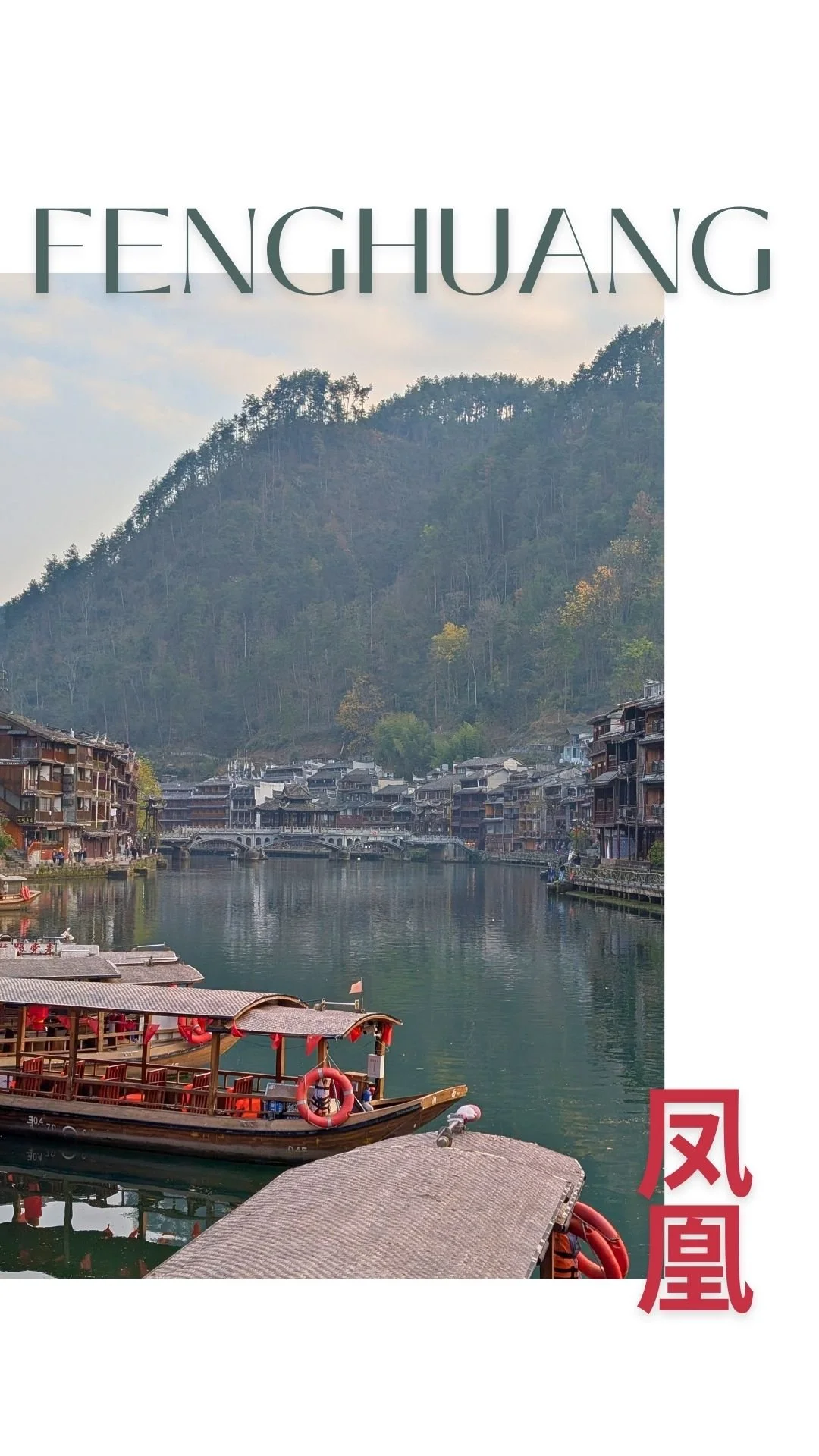
From Changsha (长沙) to Zhangjiajie (张家界) and Fenghuang (凤凰), a week in Hunan in late December meant the weather was volatile, but visiting in low season gives you a fast track to all the attractions. Zhangjiajie without a single minute of queuing is a privilege.
Changsha Travel Stories.
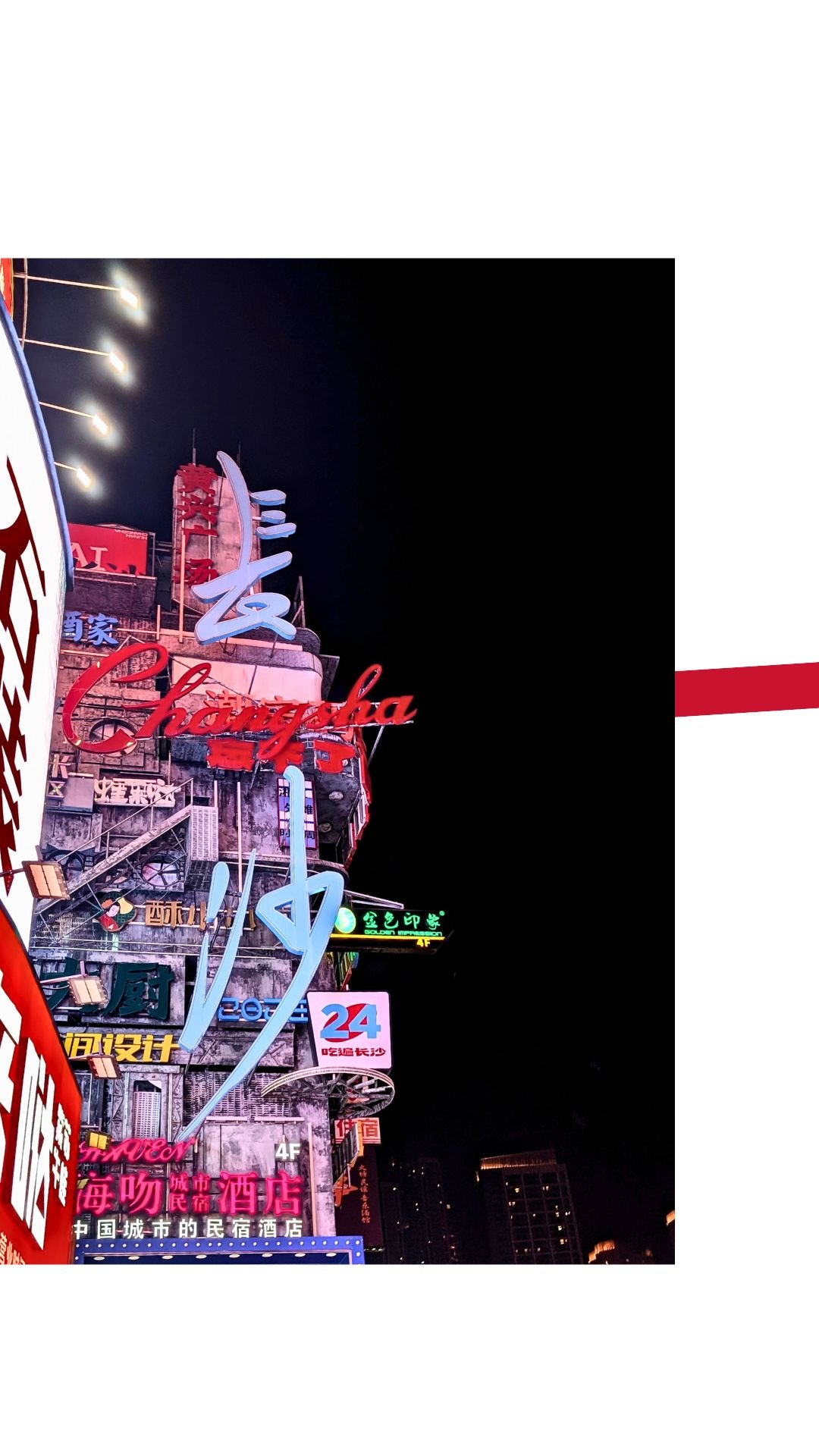
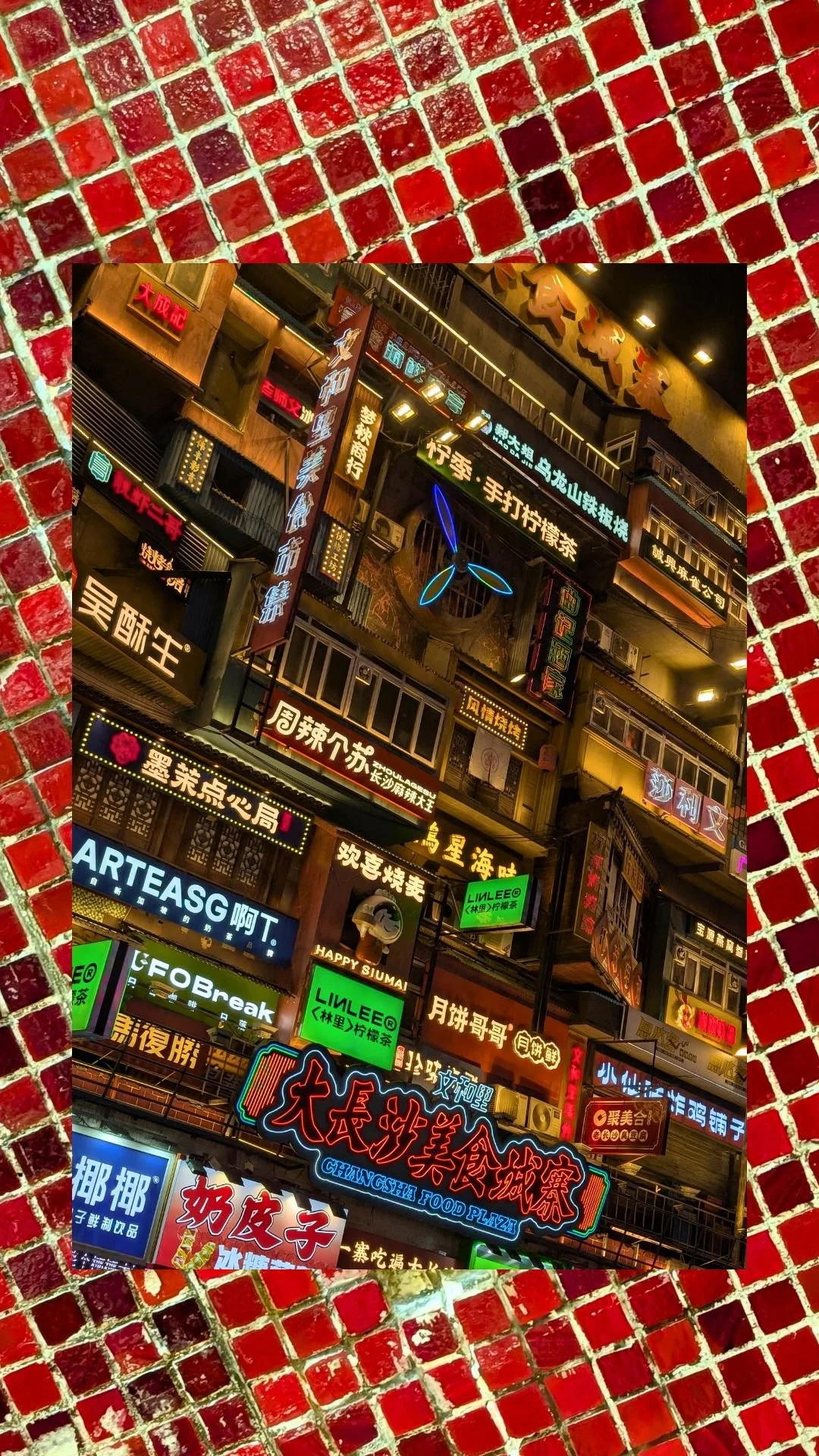
Changsha as the first stop. Much more neon than I expected.
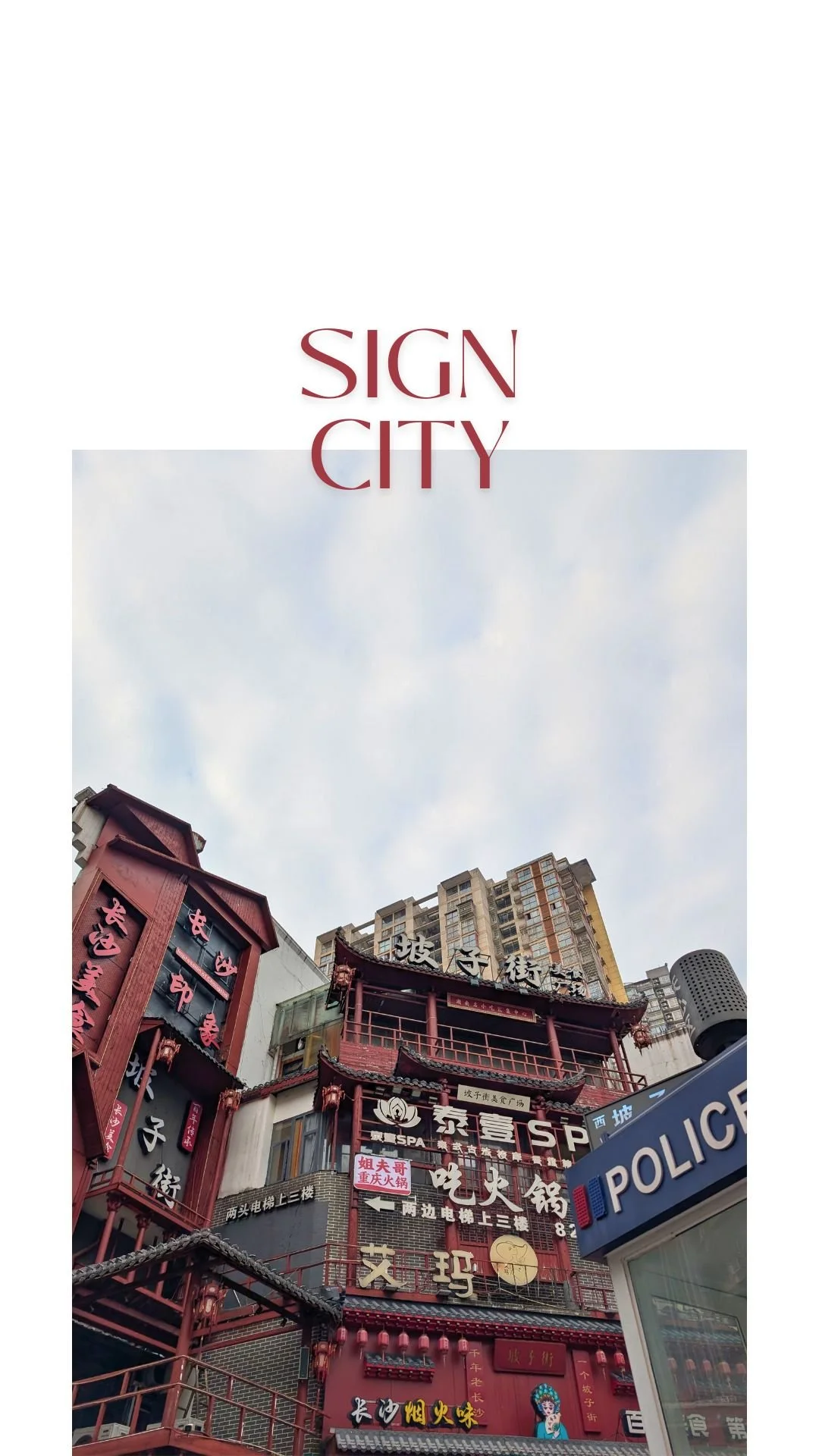
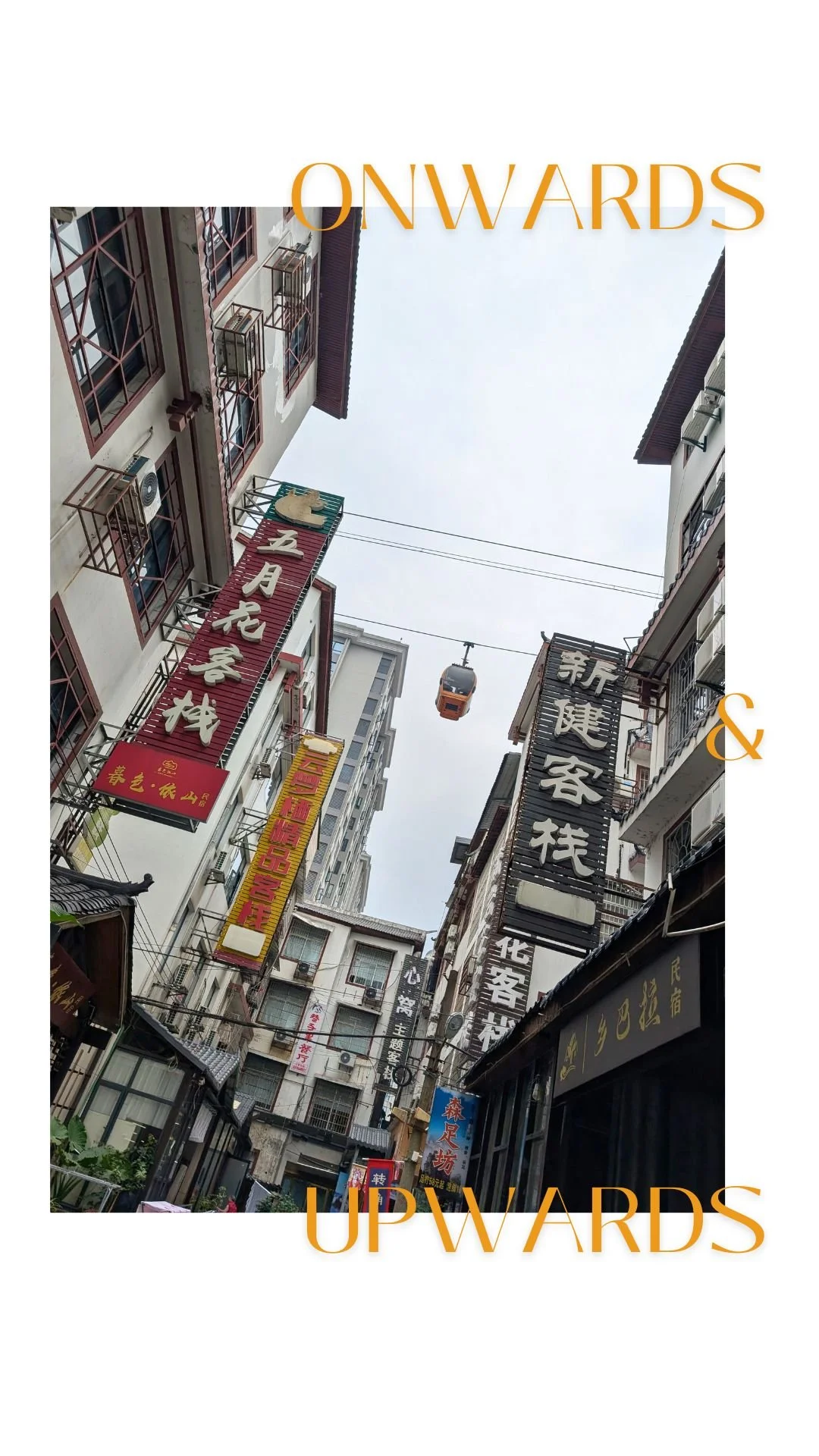
Changsha, sign city.
They like their lit-up store signs here.
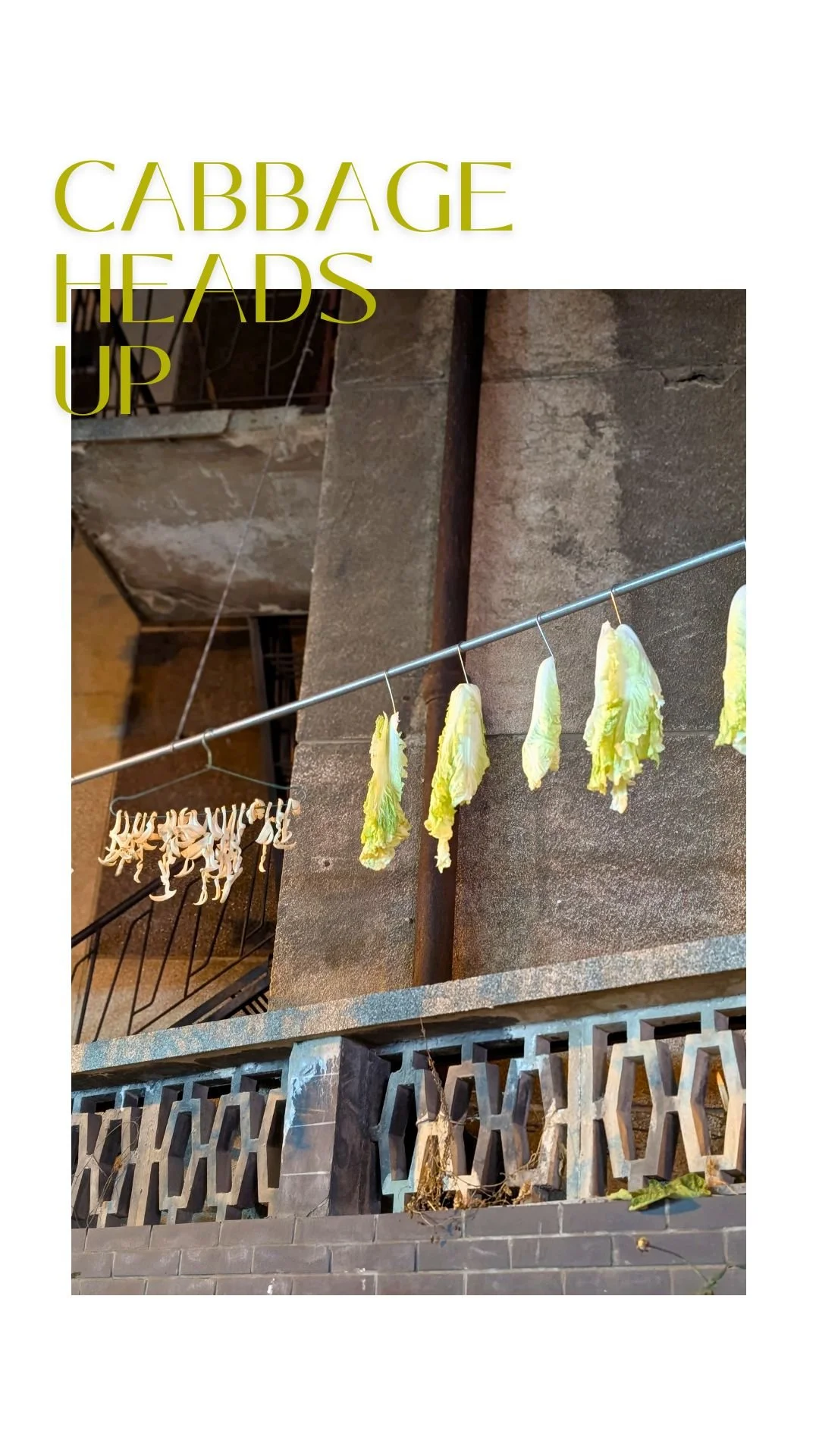
The first of many lines on this trip. Cabbage and squid hung to dehydrate for preservation.
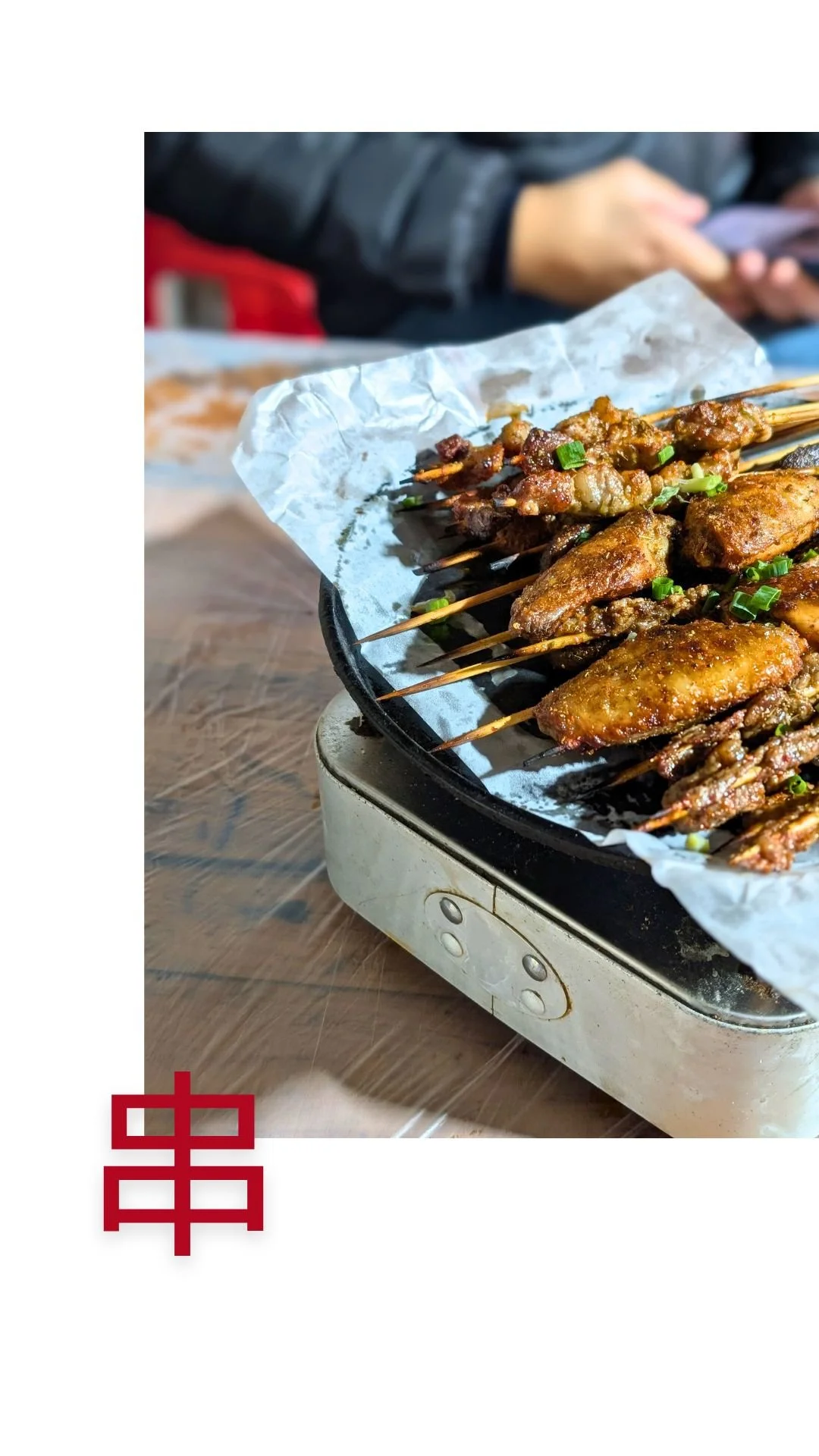
Skewers were everywhere, and as soon as you veered off the main street you even had the luxury to sit down for a streetside 串.
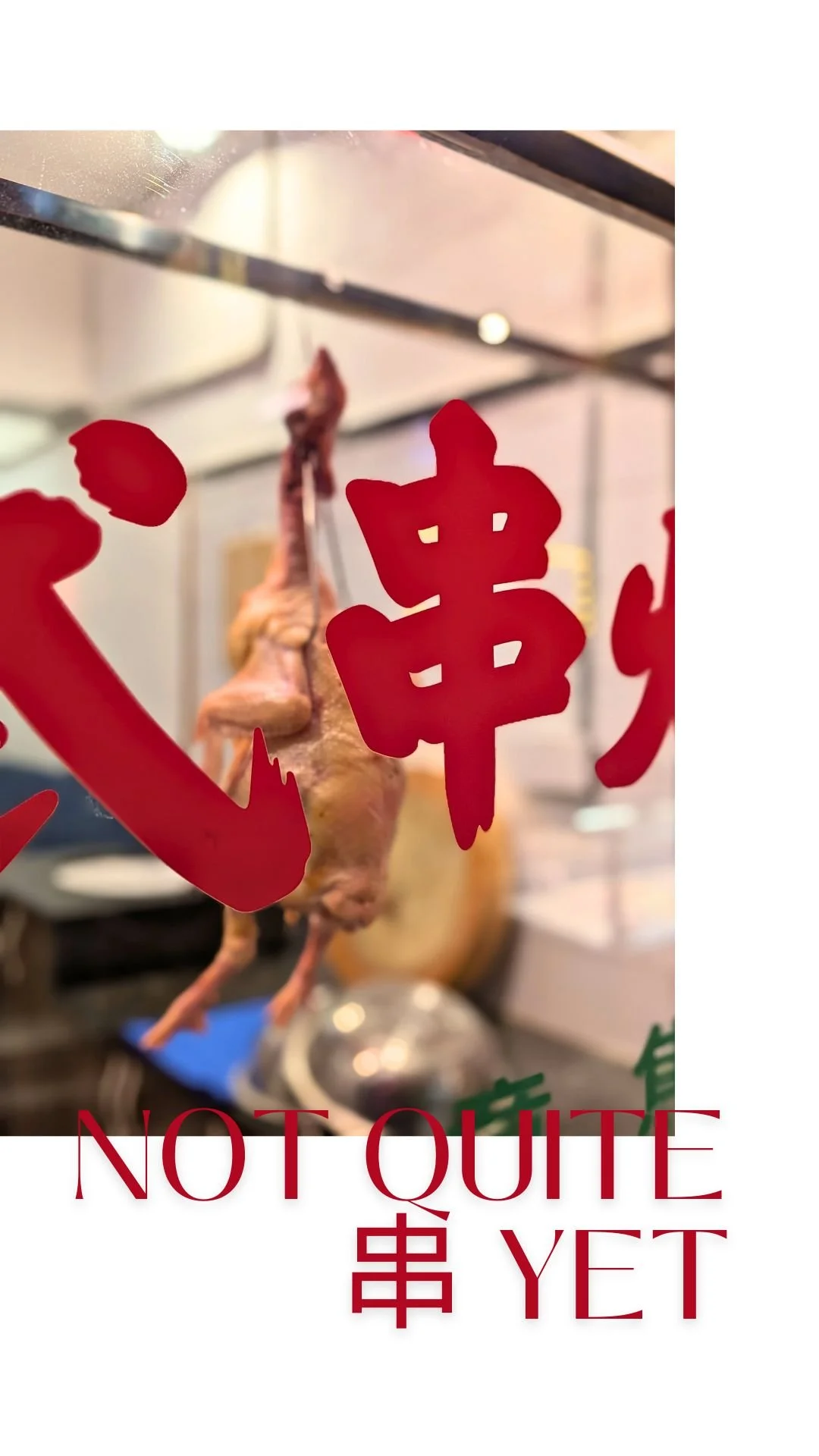
Barbecue stalls proudly showcasing their finest chickens, ready to be flamed. And, of course, skewers are on the menu.
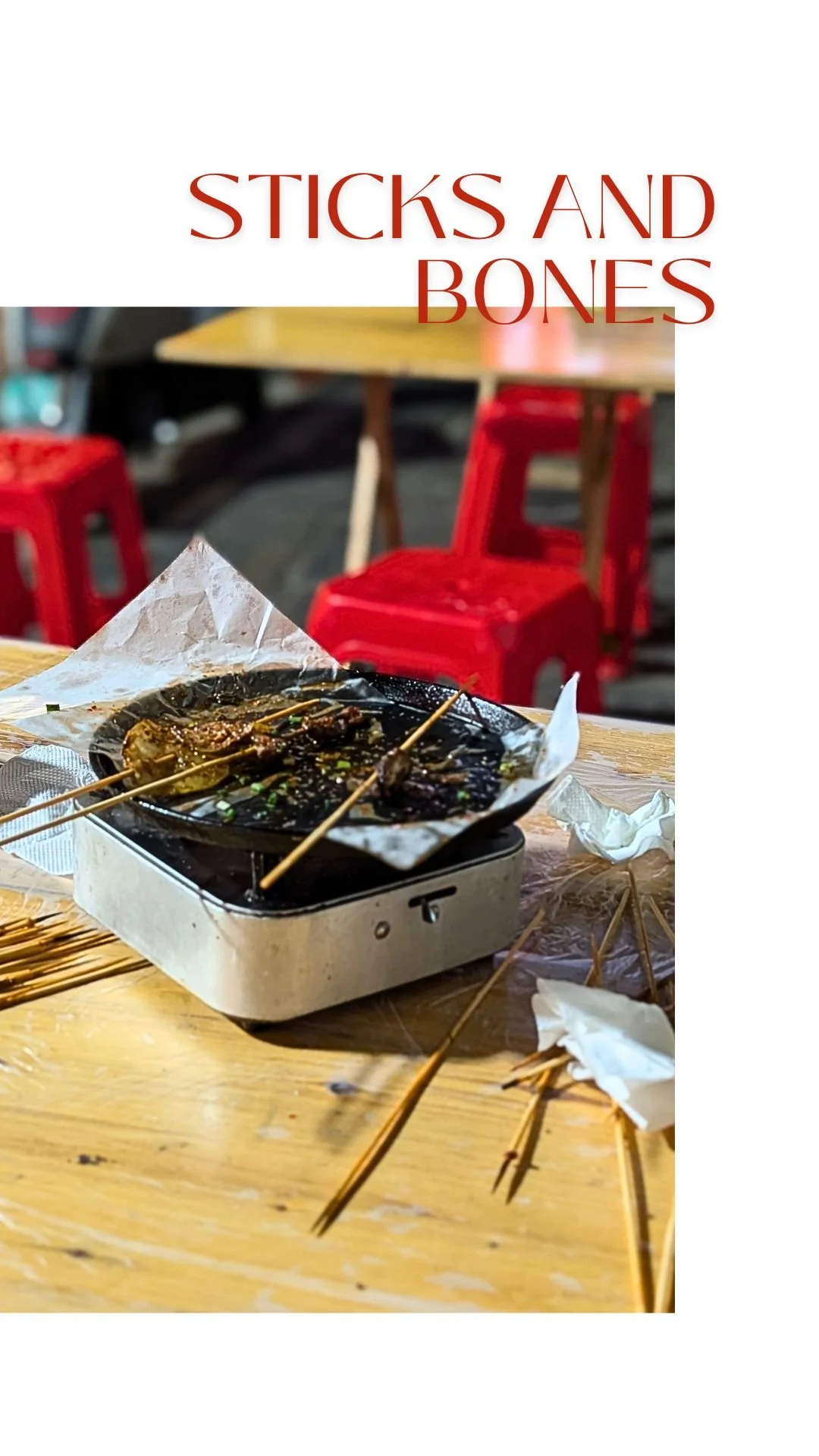
What's left after gnawing on your DIY skewers.
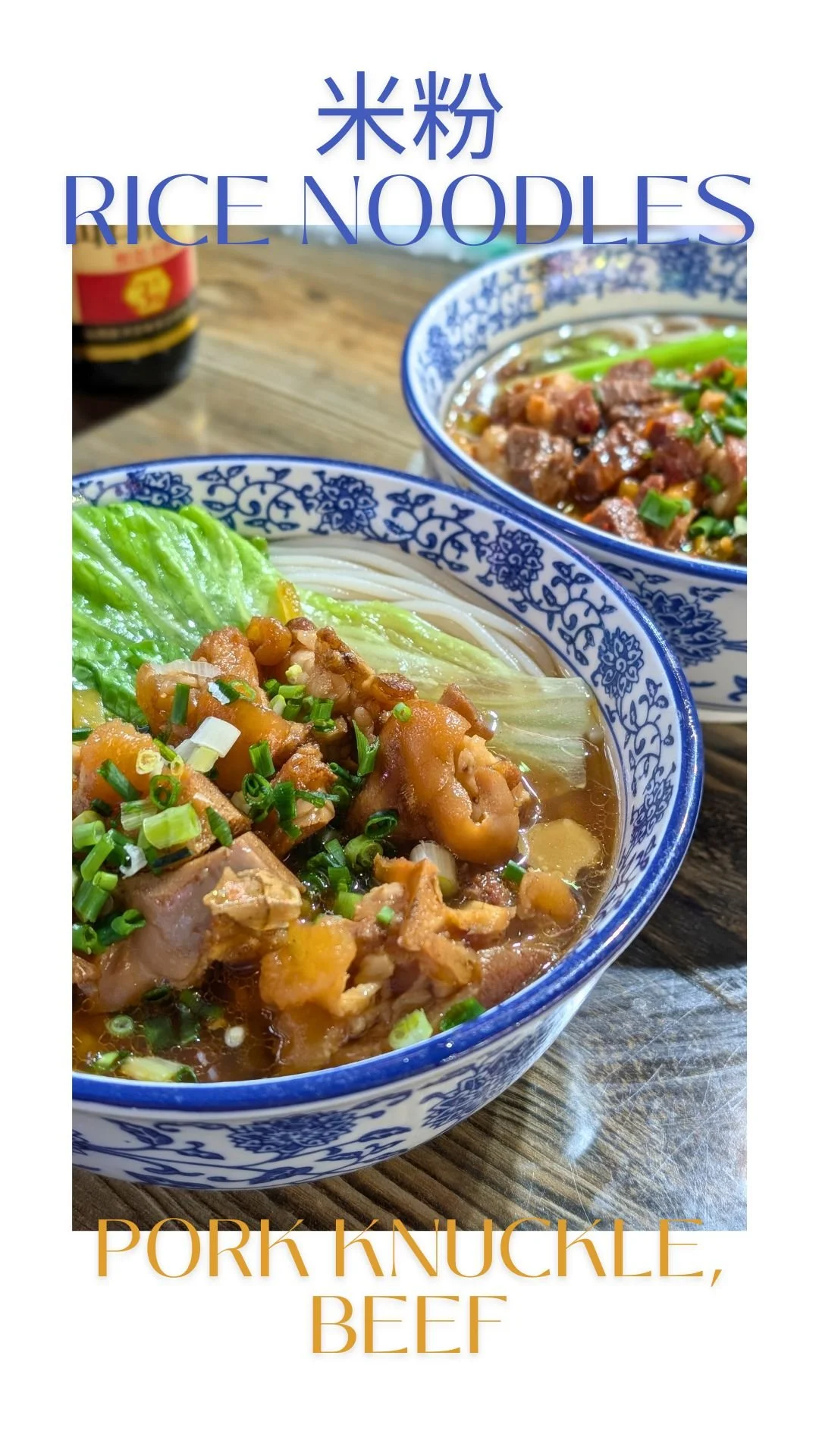
Changsha wasn't warm in December, so a bowl of rice noodles (米粉) with pork knuckle or braised beef felt like the right way to get ready for a museum dive.
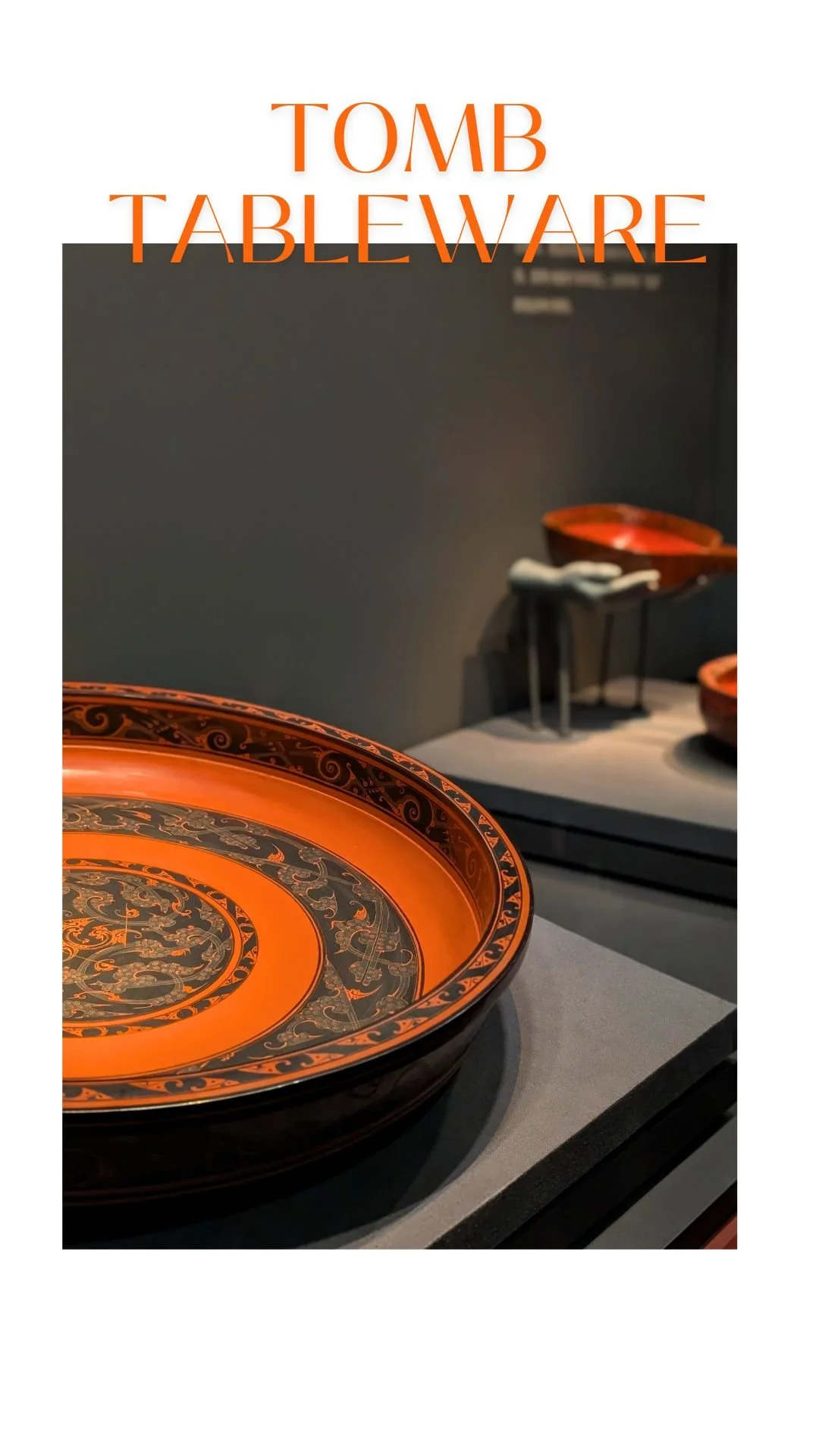
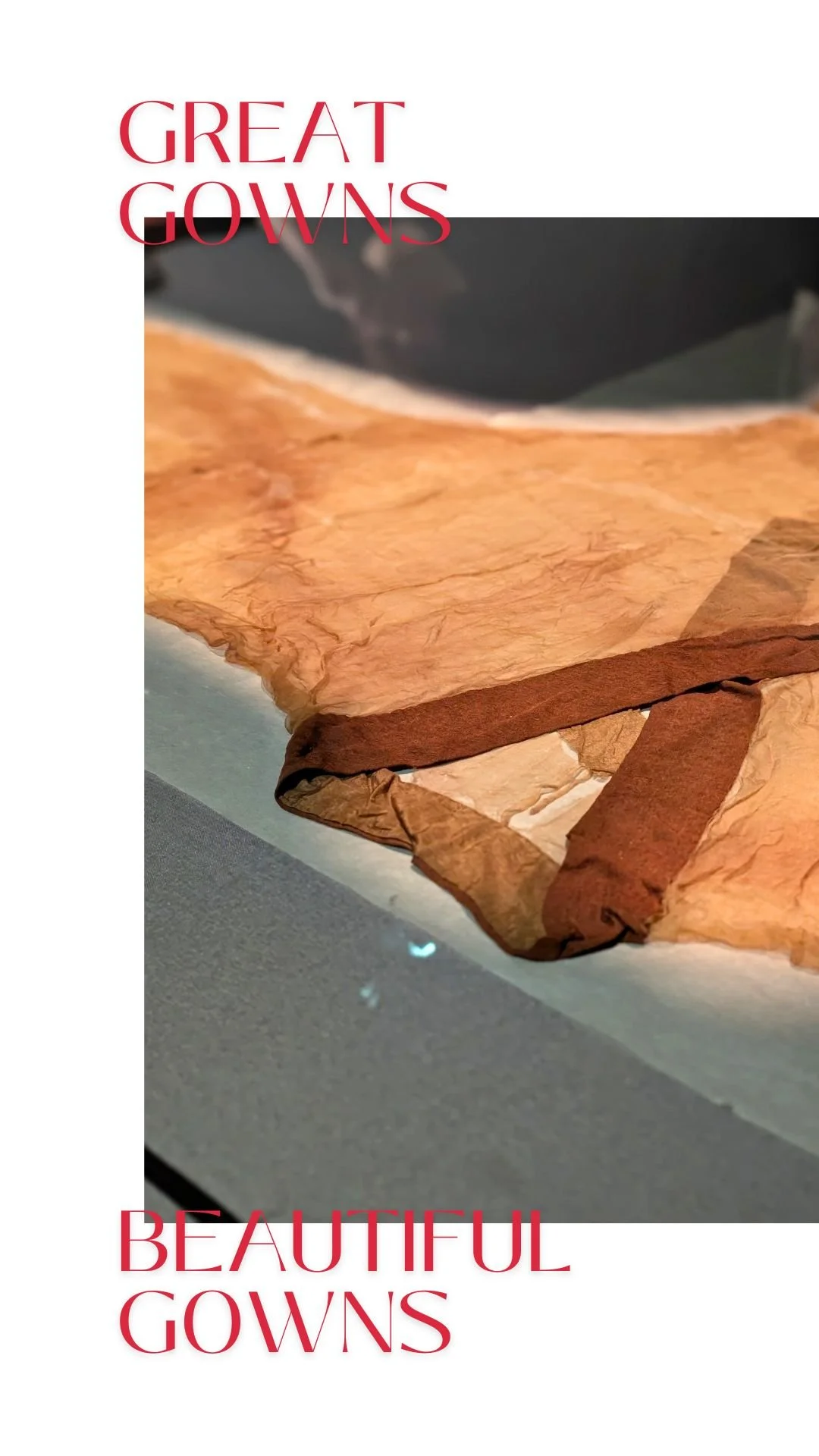
The Hunan Provincial Museum (湖南省博物馆) in Changsha is the largest collection in the province, including the body of Lady Dai (Xin Zhui, 辛追), her 2200-year old figure extraordinarily well-preserved. An impressive presence, understandably off-limits for photographs. The museum combines art and artifacts excavated from the nearby Mawangdui Han Tombs, including Western Han dynasty silk garments, as well as lacquer tableware and artifacts.
The ancient silk gowns on display at the Hunan Provincial Museum (湖南省博物馆), sitting under dim lights to preserve the delicate threads.
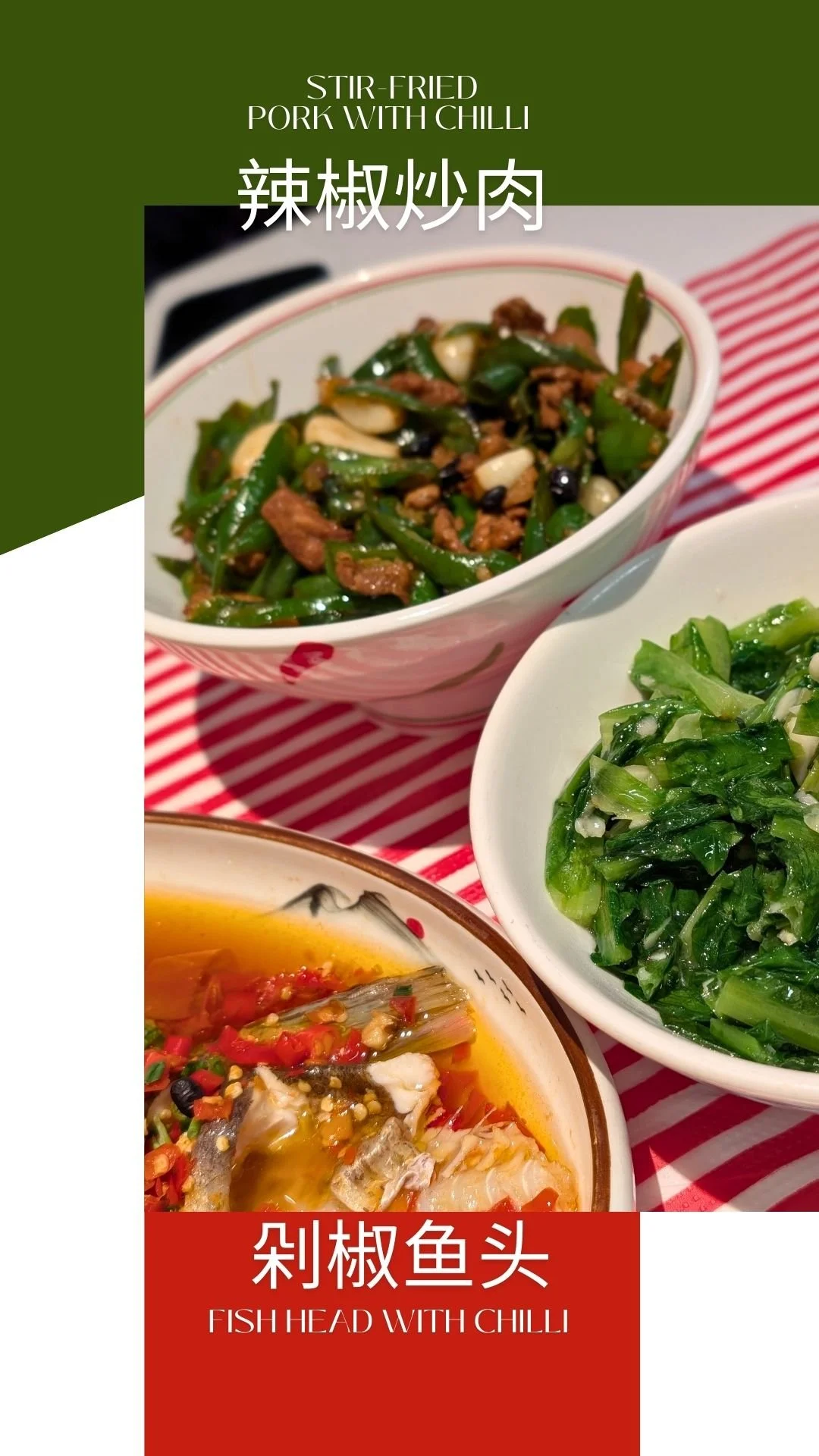
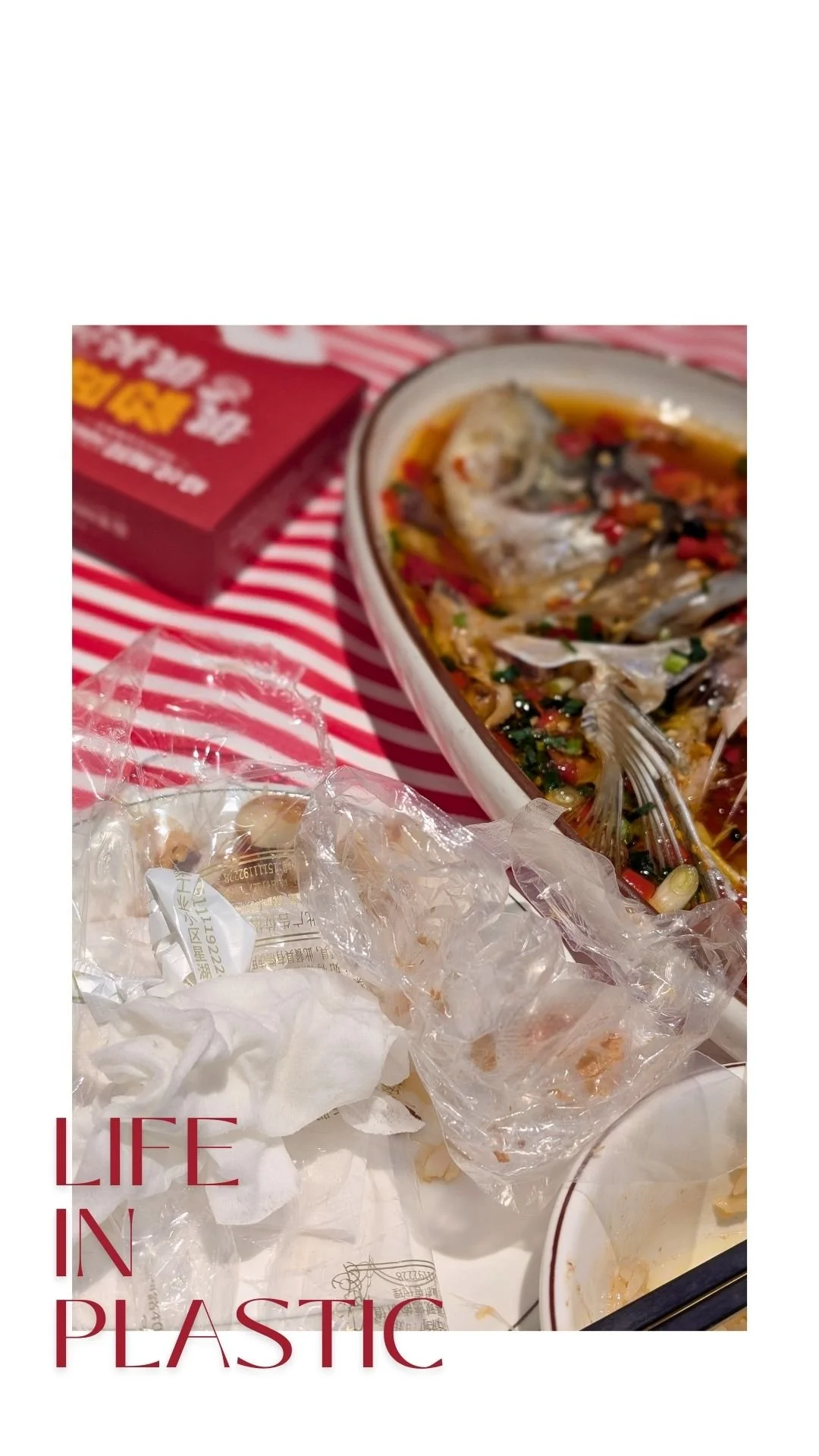
Hunan is famous for its liberal use of chillies, fresh, dried and preserved. While there, that meant a fish head in chilli (剁椒鱼头) couldn't miss from my sampling spree, together with a tamer stir-fried pork with green chillies (辣椒炒肉) which had a clearly more herbaceous flavour profile.
You will often get gloves to dig into your fish heads and into a lot of the food options around town. The amount of plastic left behind after every meal was disheartening and I tried my best, but there's not much you can do when most small eateries offer dining sets of bowls and cups wrapped in plastic film to show they've been sanitised.
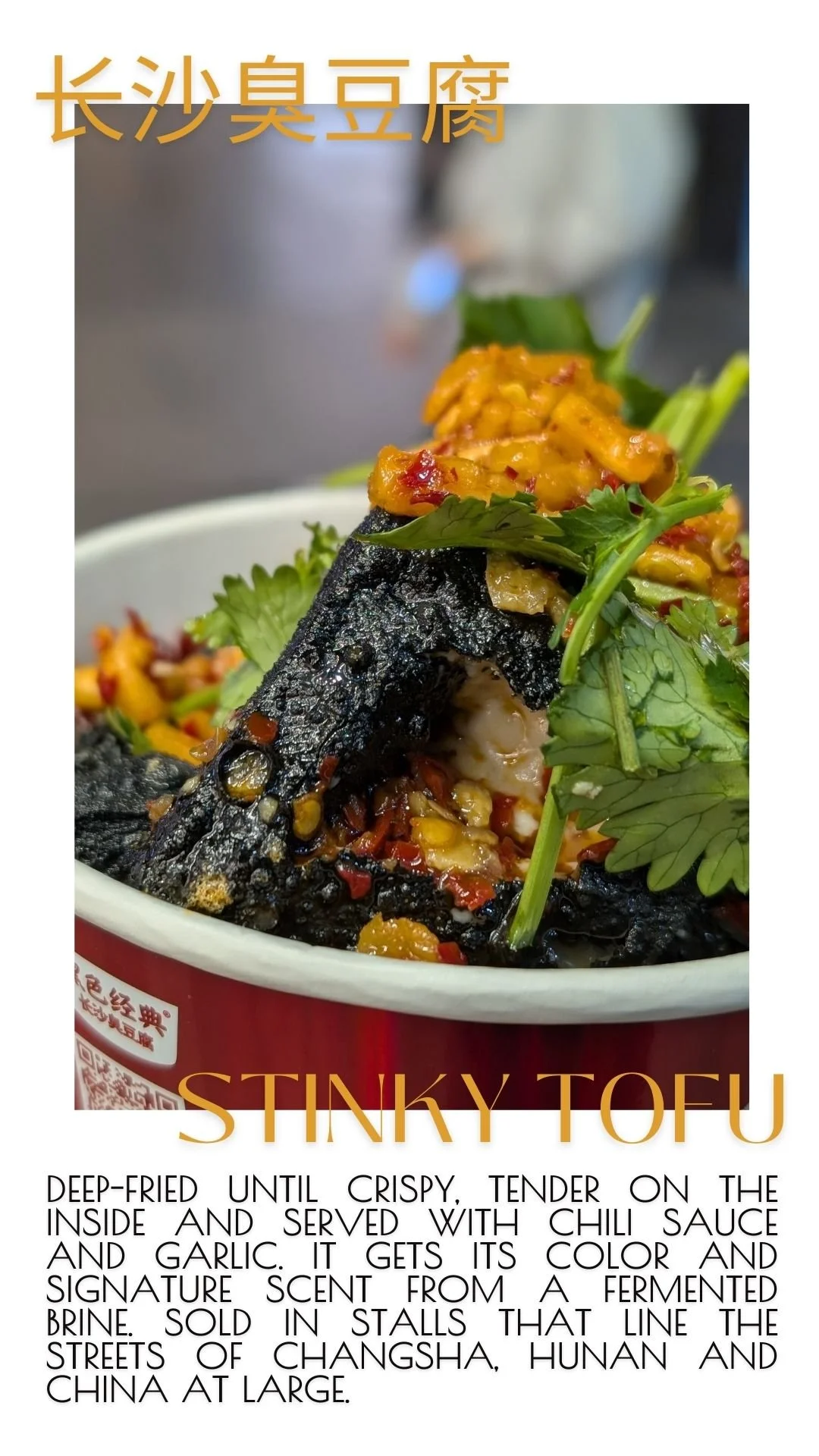
Spicy stinky tofu in Changsha (长沙臭豆腐). Deep-fried until crispy, tender on the inside and served with chili sauce and garlic. It gets its colour and signature scent from the brine it's fermented in, which could include mushrooms, amaranth stalks and a variety of actively fermenting ingredients. Sold mostly in (understandably) open-air stalls lining the streets of Changsha, Hunan and China at large. Some areas like Hunan bet on spiciness, and others like Shaoxing lean into the funk.
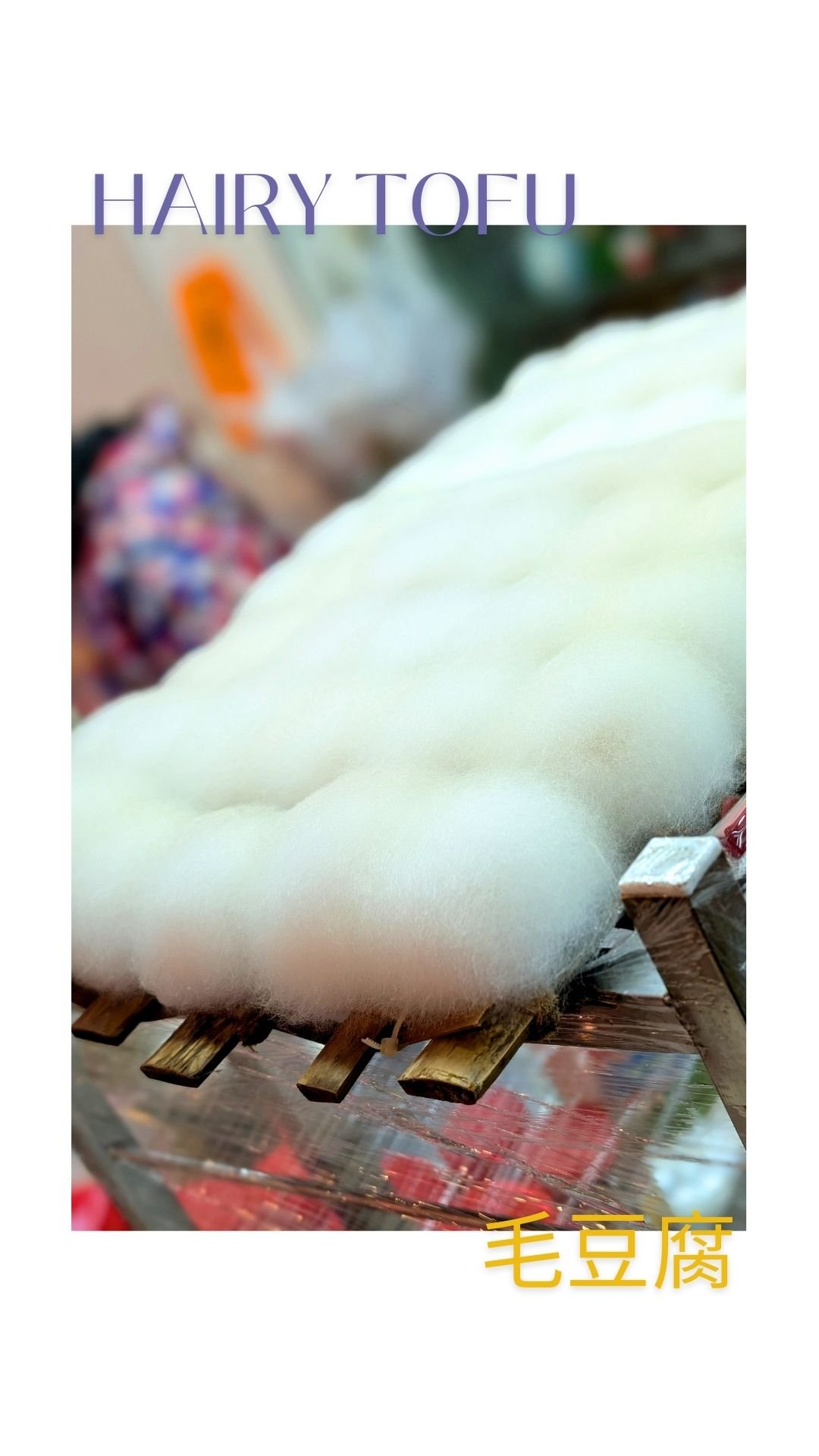
Hairy tofu (毛豆腐) undergoes a different fermentation process, which leads to it being covered in a delicate fuzz, ranging from snow white to pale yellow or green-ish. With a taste and smell reminiscent of blue cheeses, it's often fried or cubed and mixed with chilies and jarred, little flavour bombs to add to soups or rice.
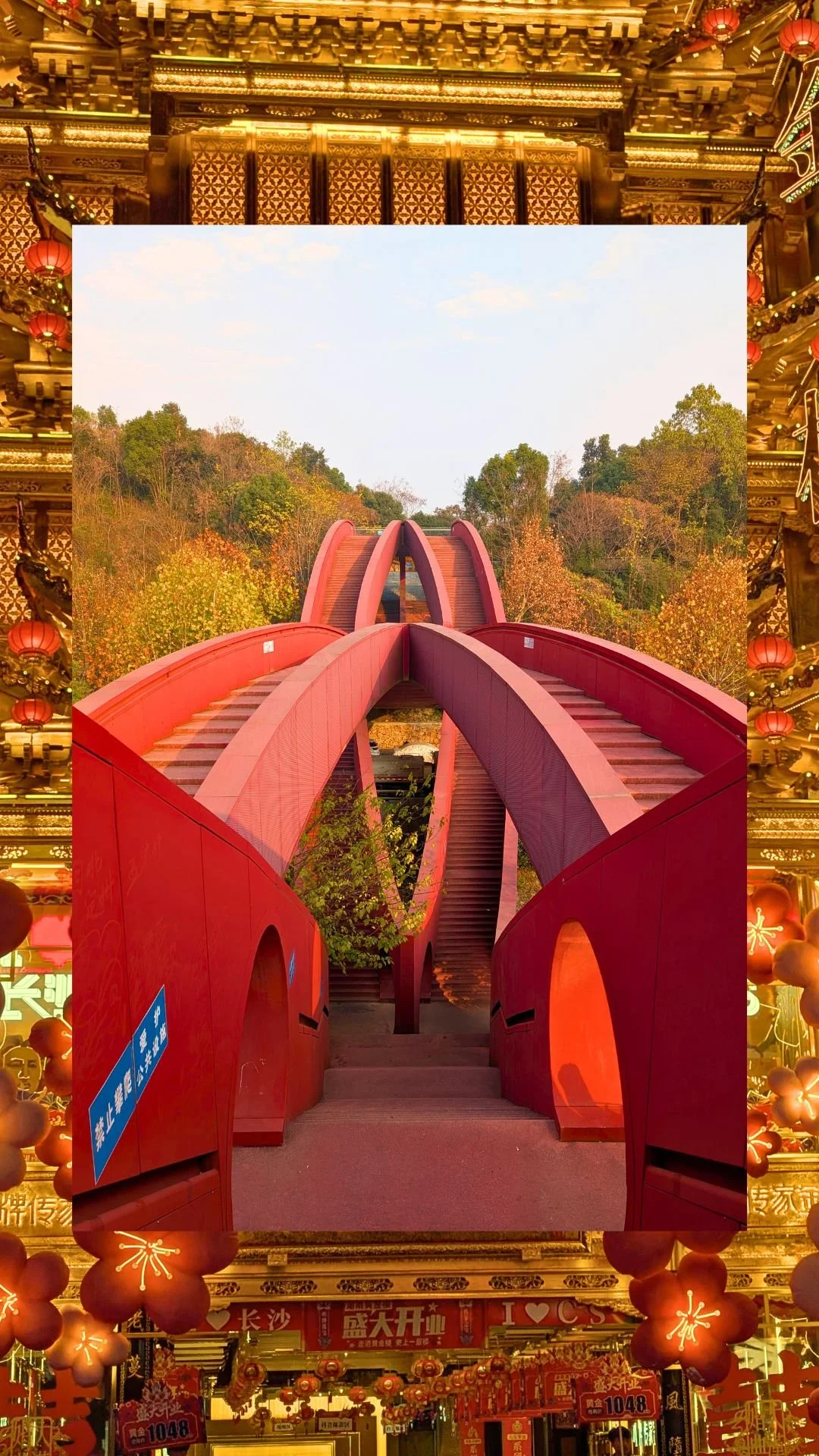
The Lucky Knot bridge spans the Dragon King Harbour River in Changsha. It's a steel truss bridge painted in bright red. Most visitors were there for selfie opportunities, while I enjoyed the up-and-down and tried to wrap my head around the geometry.
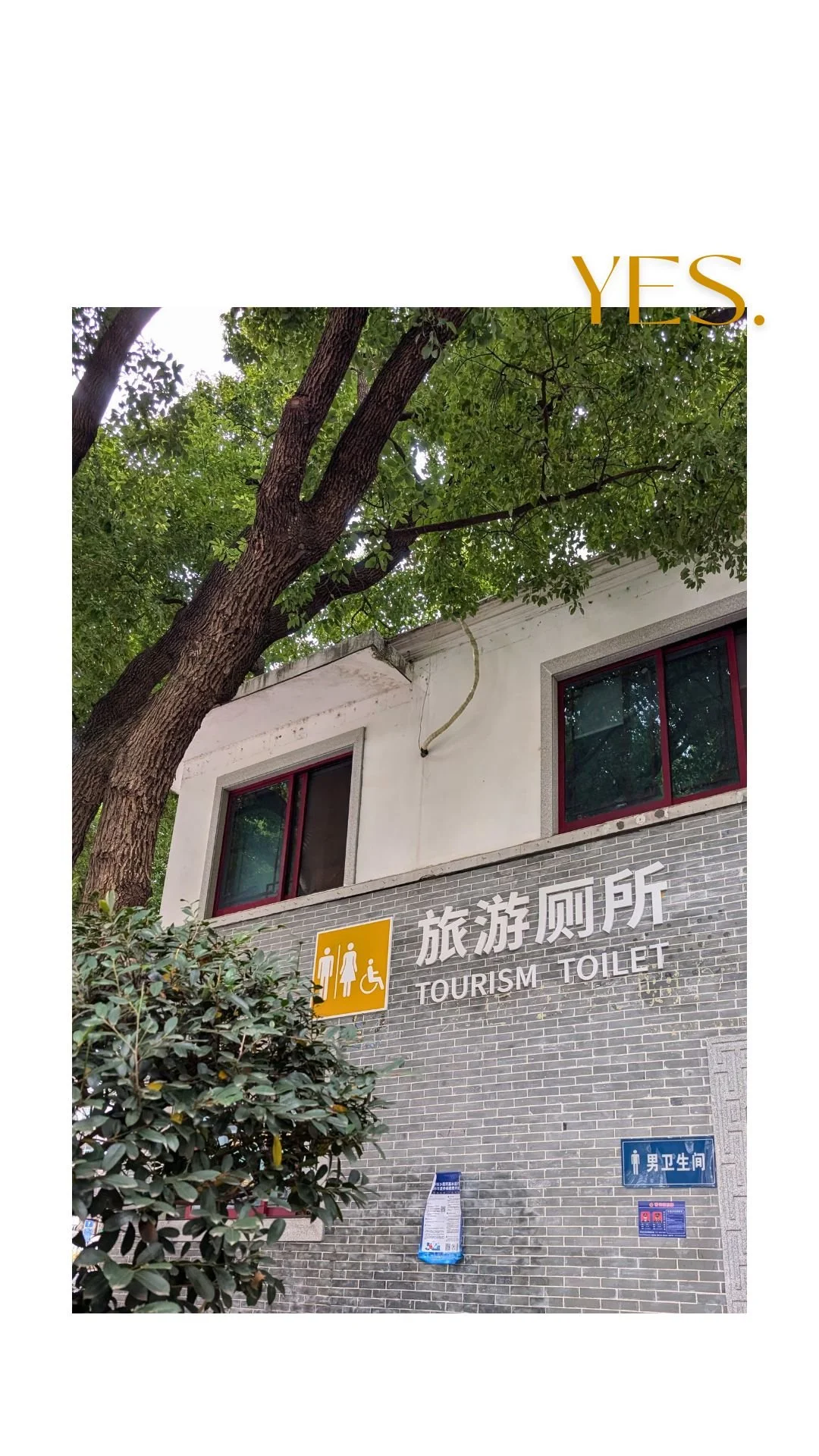
Tourism toilets. A new way to travel.
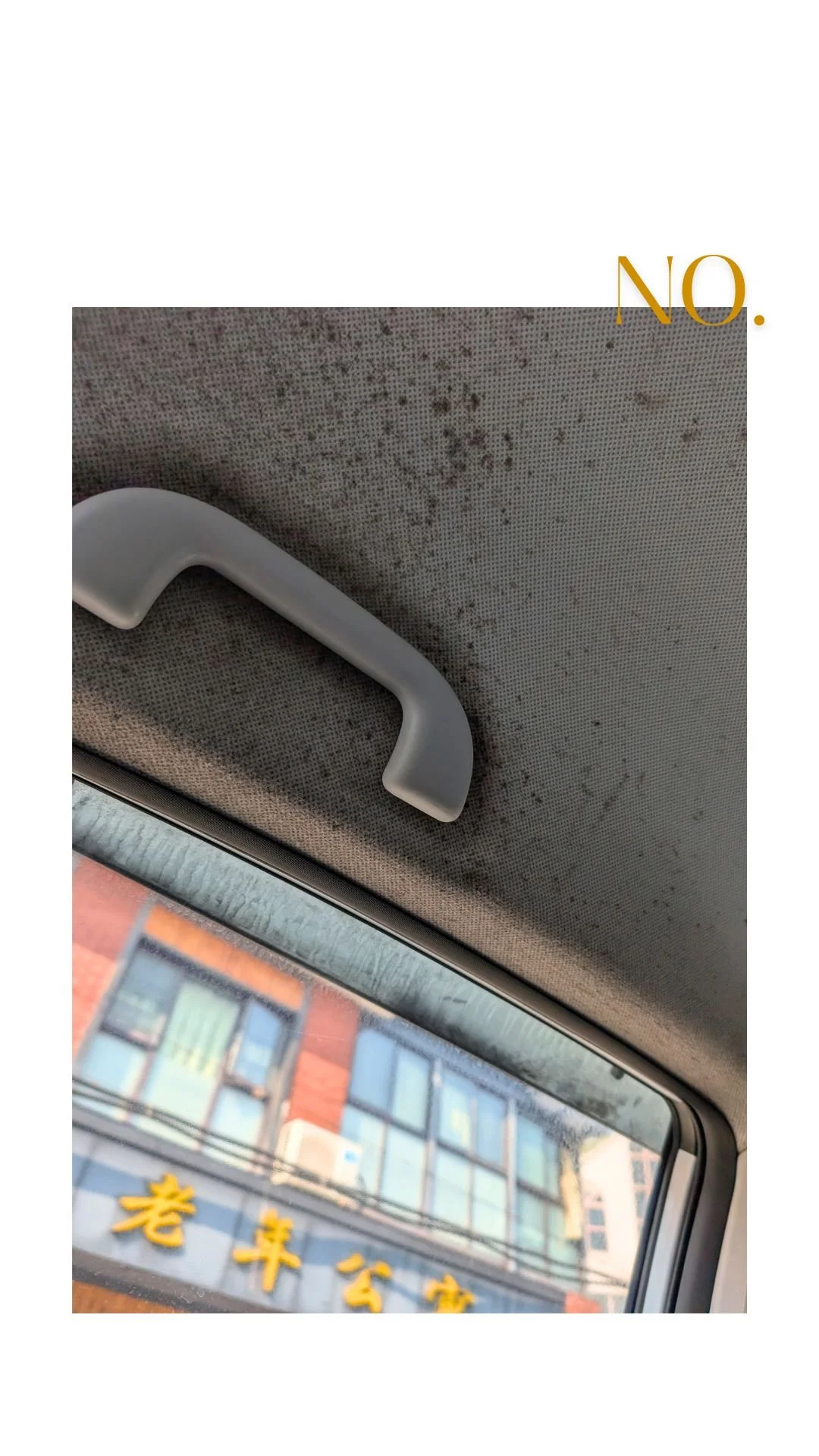
Some of the local Didis offered interesting patterns on the headliner.
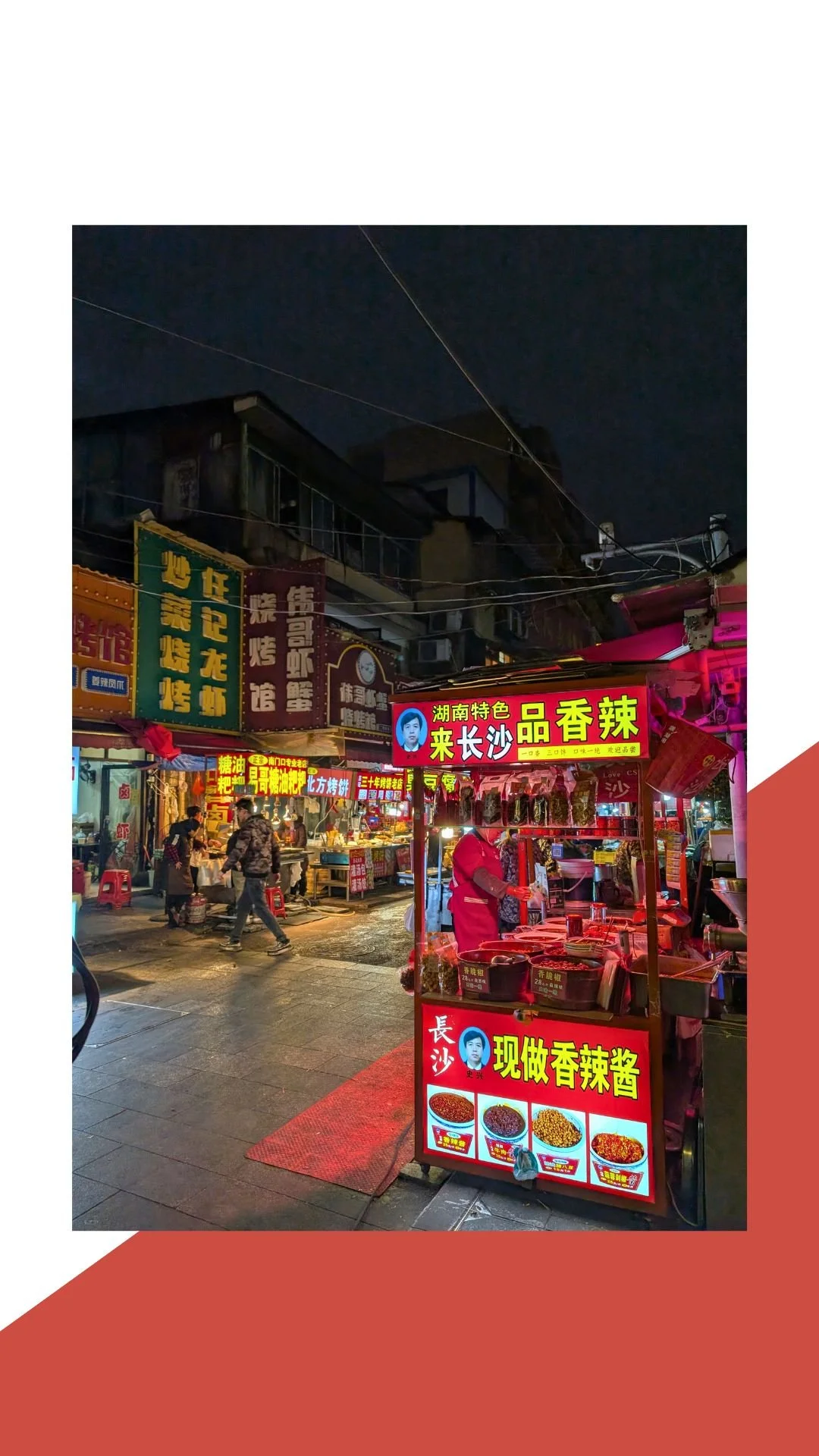
Food stalls were out in the whole city of Changsha until very late at night.
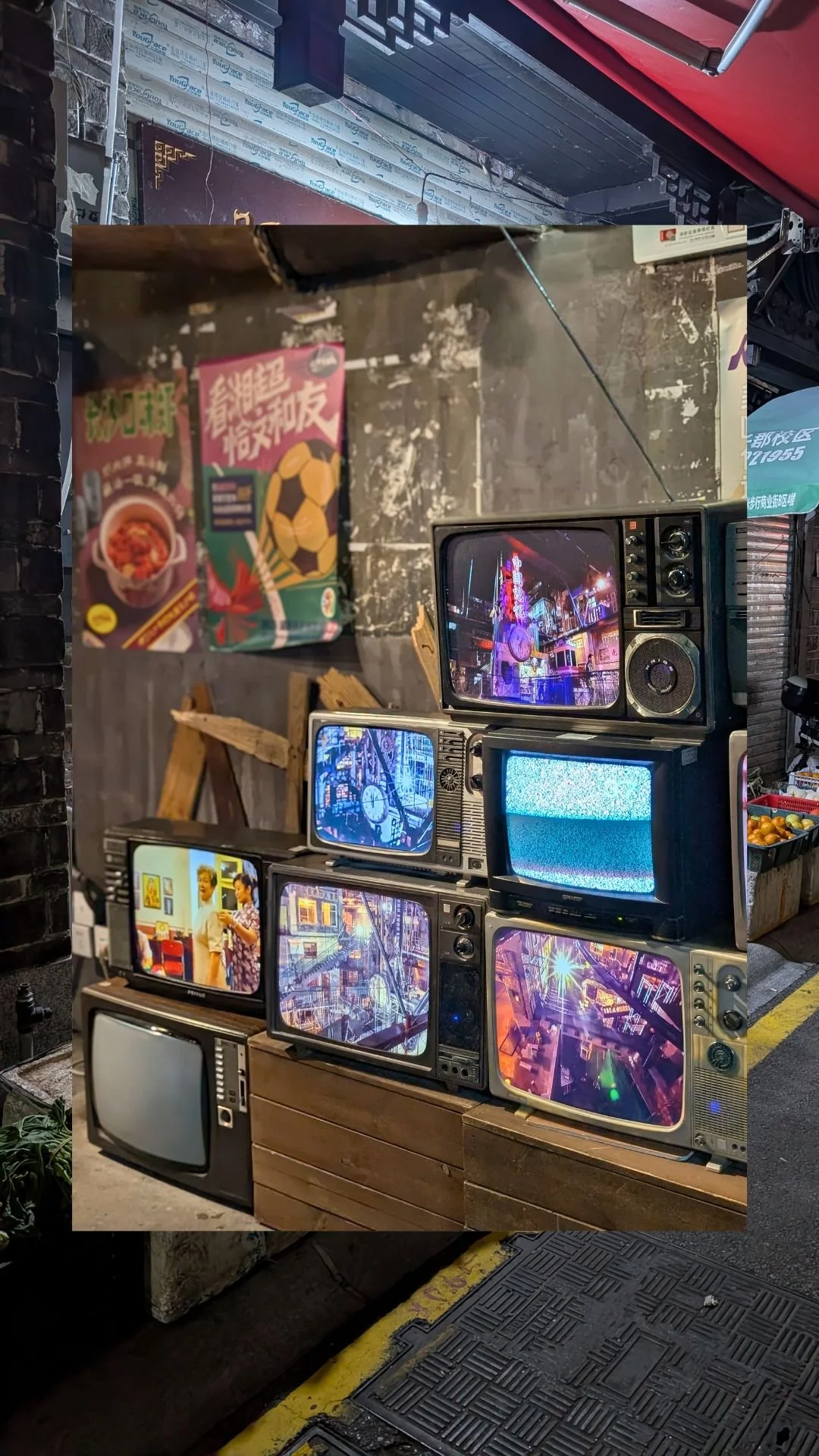
Some funky backrooms at Wenheyou, an 80s-themed food court in Changsha, with several levels and a seemingly endless amount of options. A bit fake? Yes. Cool? Also yes.
Zhangjiajie Travel Stories.
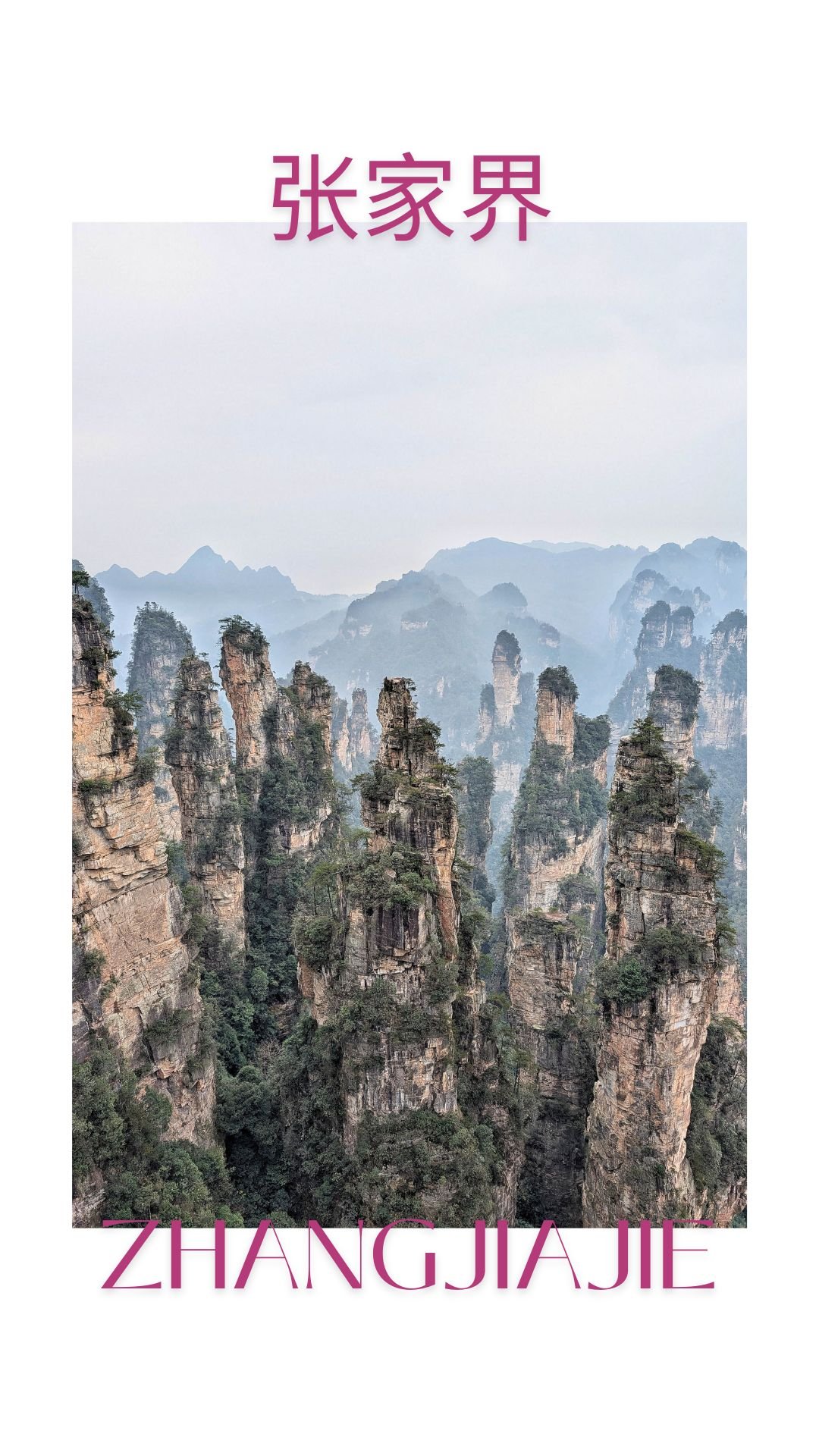
Zhangjiajie (张家界) is more than the park itself. It's a much larger city than I imagined.
The cable car leaves from downtown, taking you up to the park with a couple of mid-ascent stops, through the peaks.
As soon as you get to National Forest Park in the Wulingyuan Scenic Area, you get why the area was designated a UNESCO World Heritage Site as early as 1992. Then the whole Avatar Mountains thing came along, but who's thought of that since 2009?
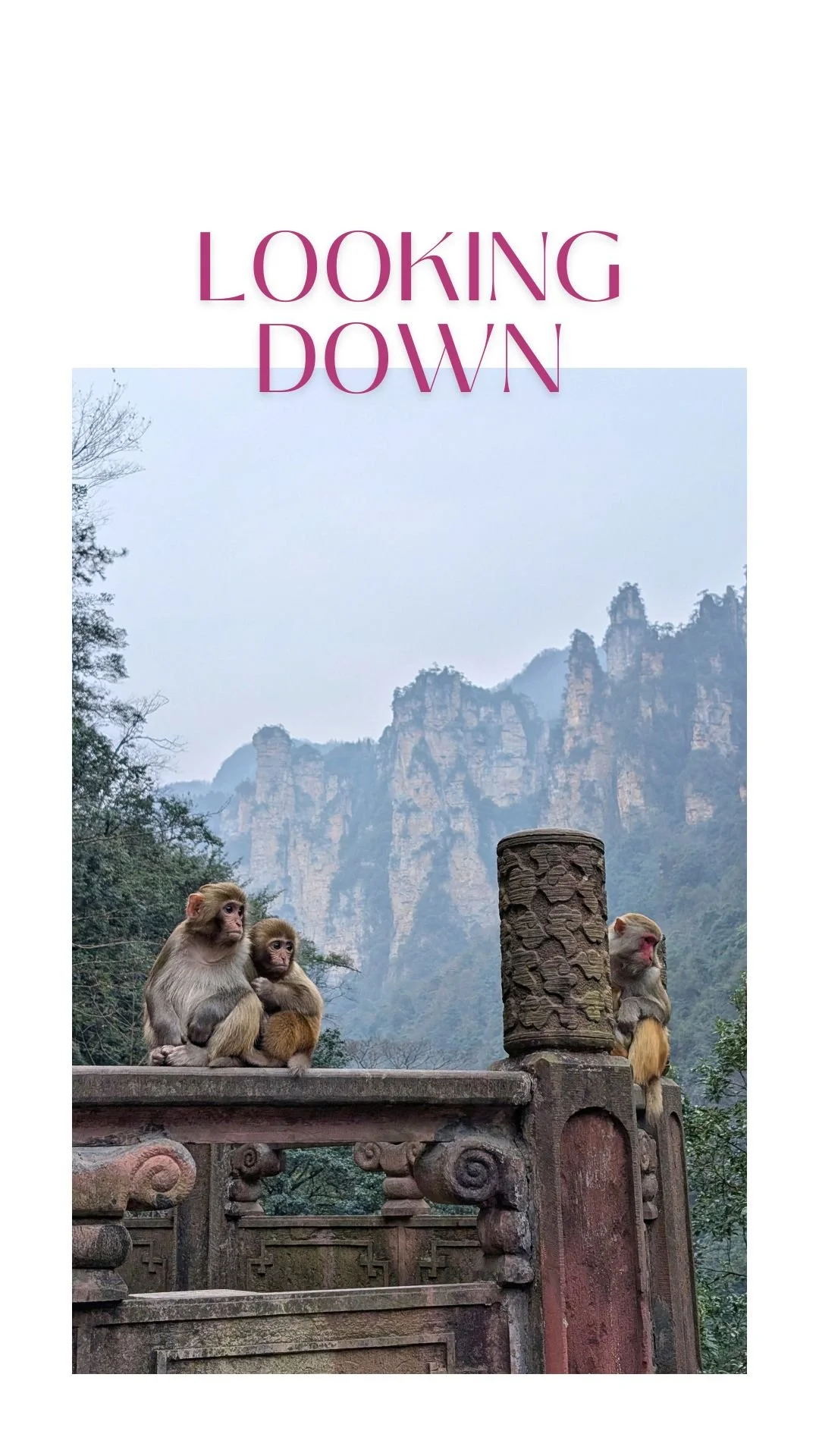
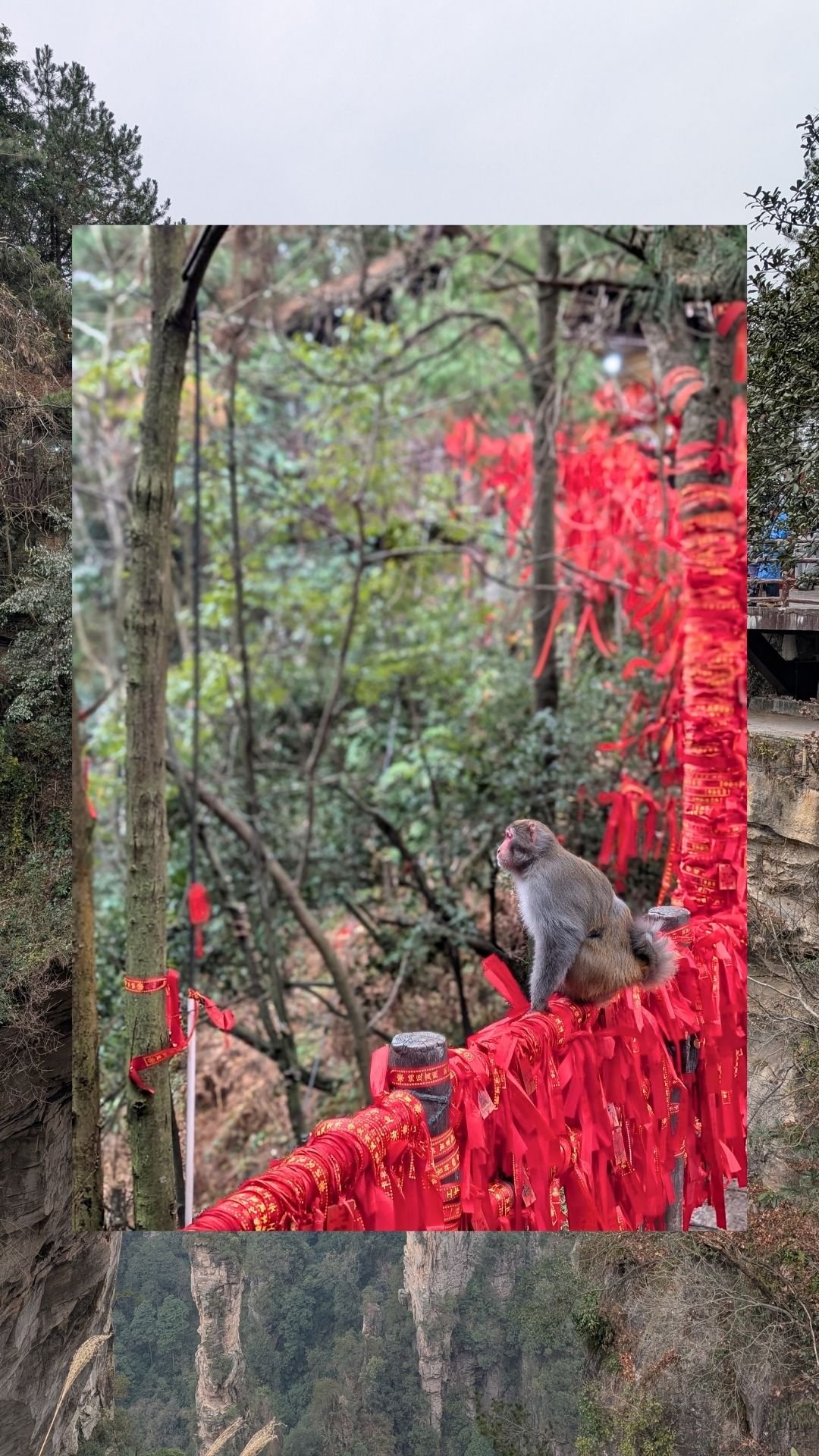
You're high up, looking down, with monkeys even higher up on trees, looking down on you. They'll try to steal your roasted chestnuts.
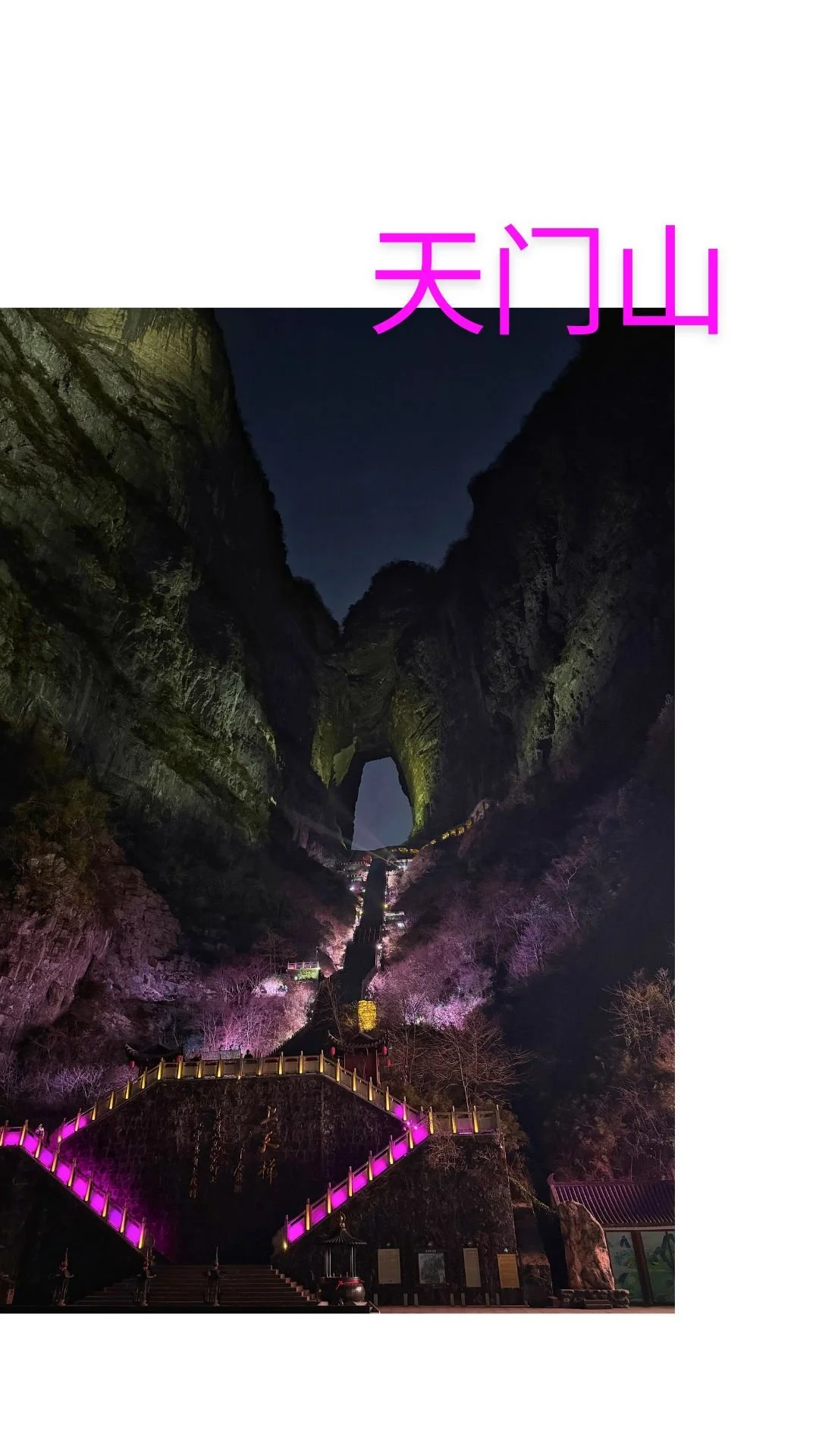
Tianmen Mountain (天门山) is grand, no way around it. Although it's in Zhangjiajie, it's a separate park from Wulingyuan, so make sure you're not overly optimistic and count on at least a day per site.
More monkeys, around the First Bridge Under Heaven (天下第一桥)
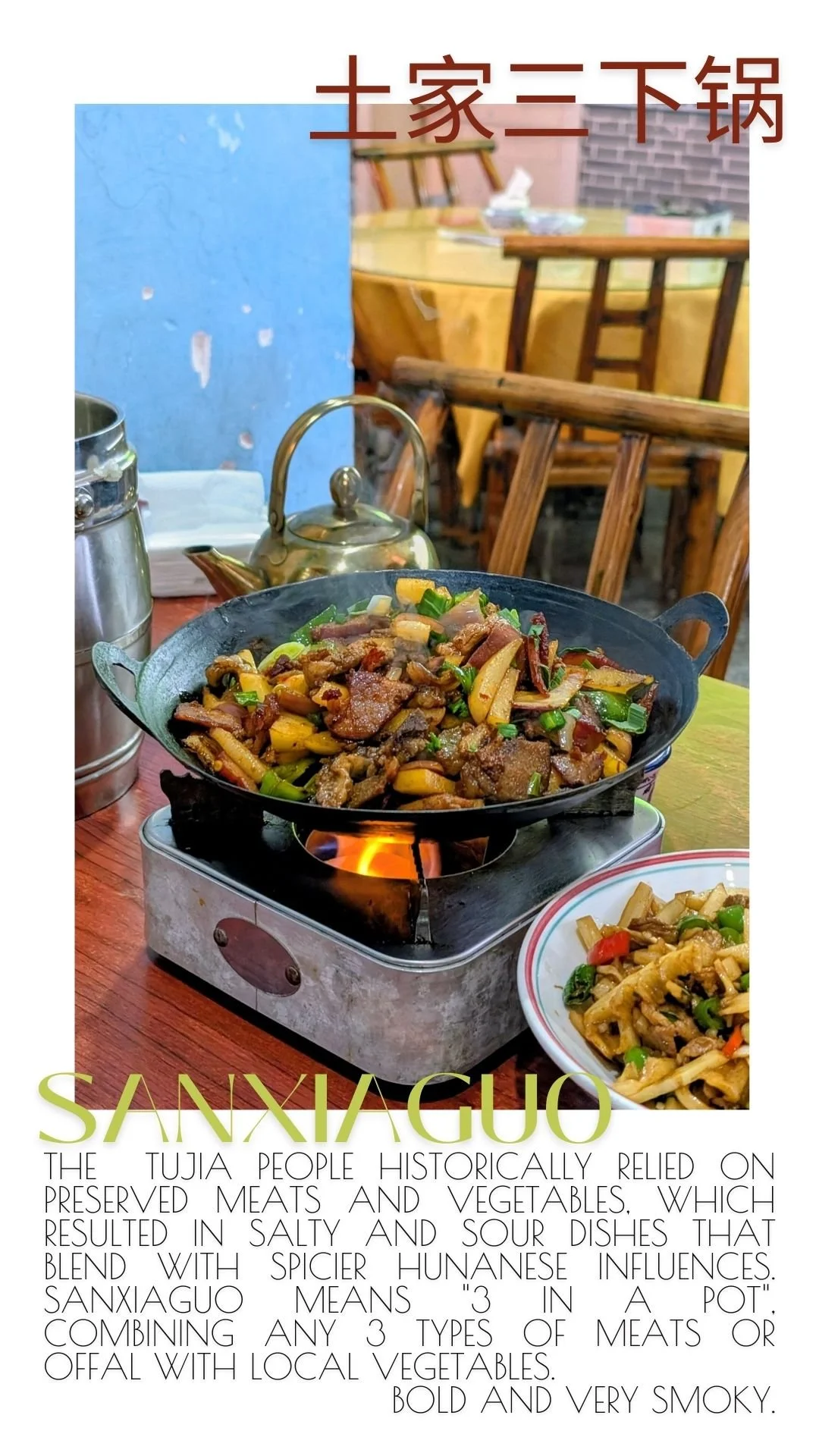
The Tujia people in Zhangjiajie traditionally relied on preserved meats and vegetables, which made for salty and sour dishes that blend with spicier Hunanese influences. Sanxiaguo (土家三下锅) means "3 in a pot". The dish combines any 3 types of meats or offal with local vegetables. Bold and very smoky.
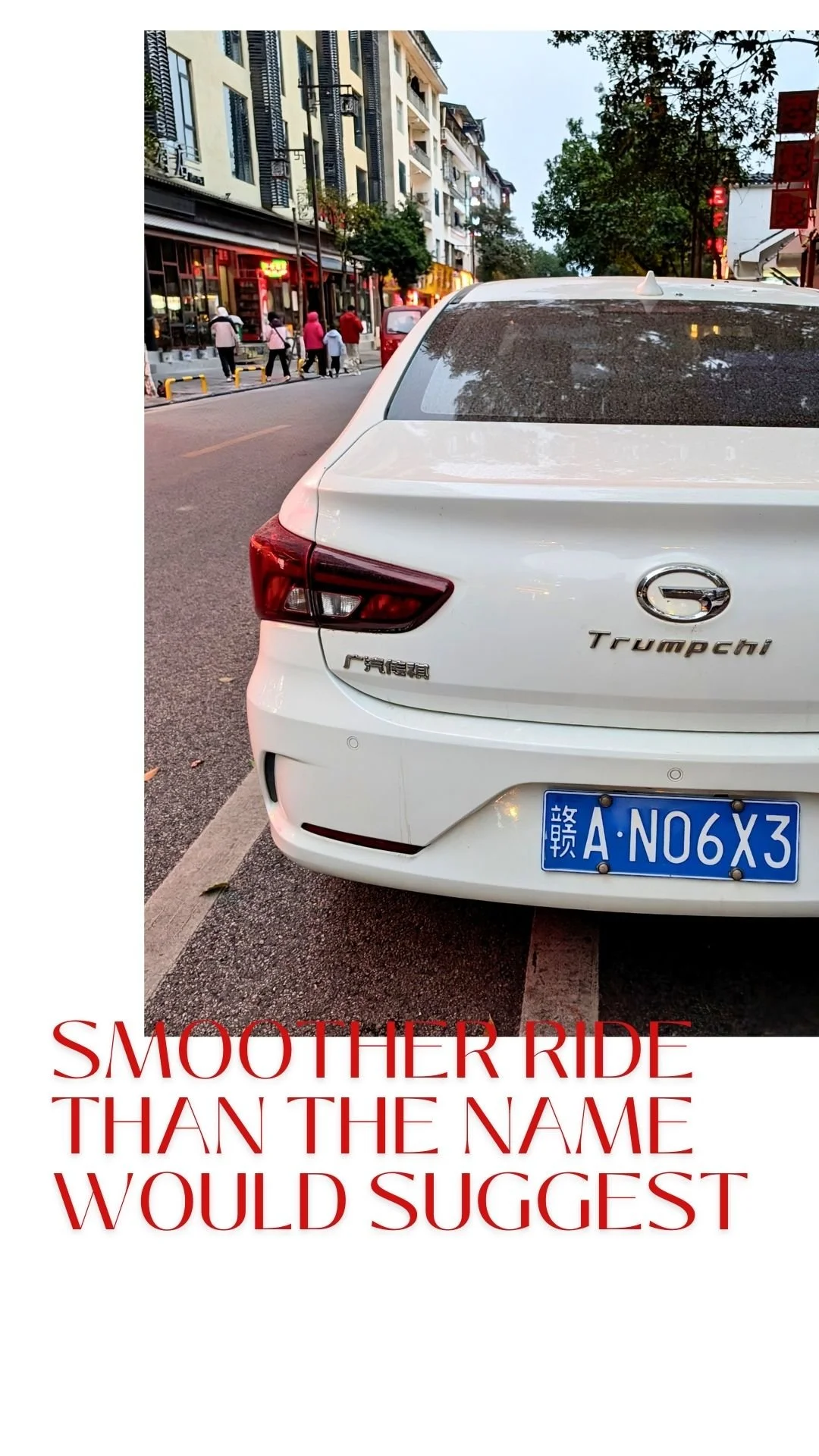
Trumpchi. What a name. Launched domestically in 2010 as a branch of automotive giant GAC, the plans to enter the United States market started taking shape in 2017, and you can imagine a swift rebrand was on the cards for obvious presidential references, albeit unintentional. The debut ended up not materialising because of, ironically, Trump's own tariff war with China escalating around that time.
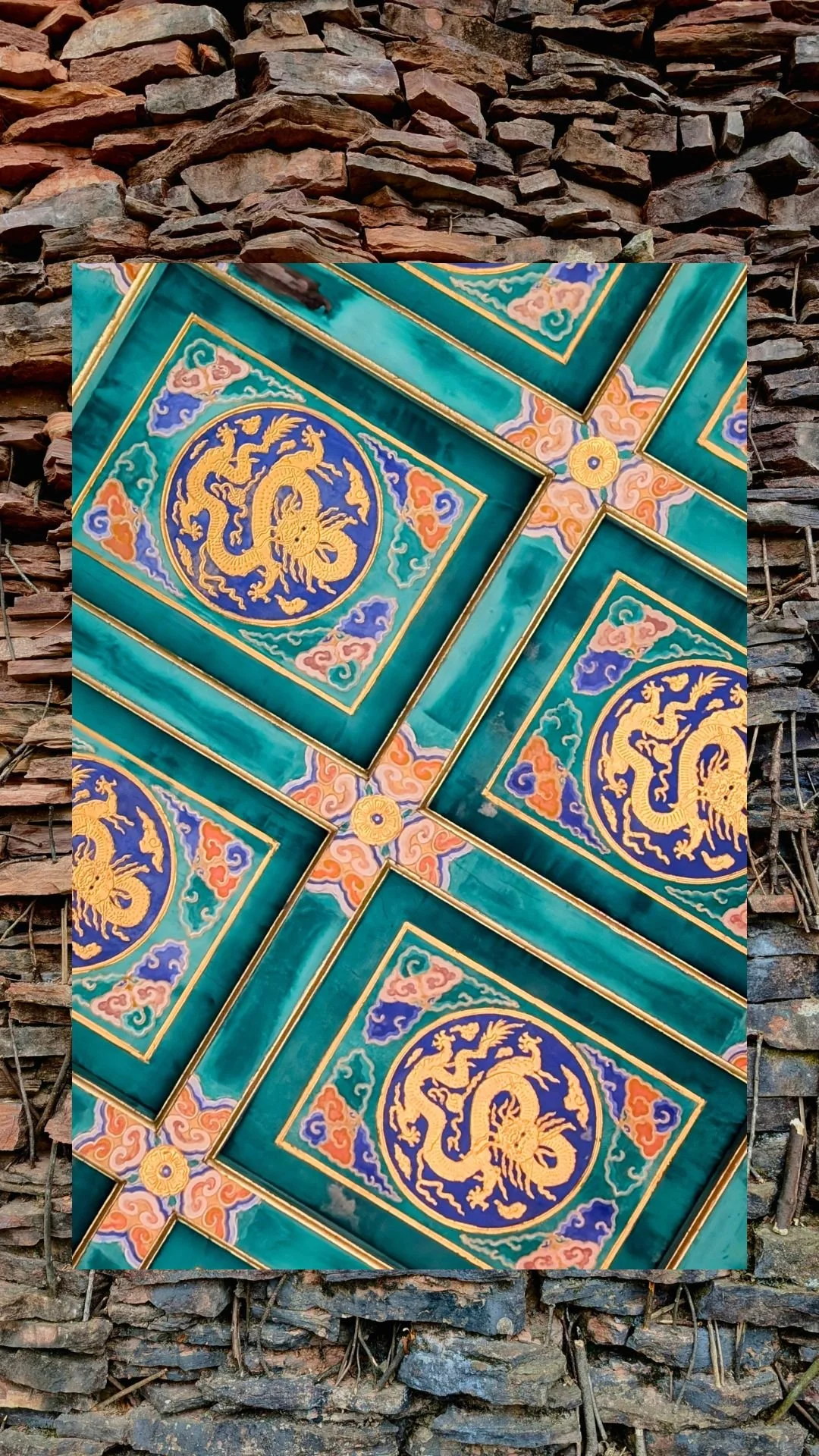
Tianmenshan Temple (天門山寺) has sat high up on Tianmenshan in Zhangjiajie since 870AD. It was destroyed during the civil war, but rebuilt in 1949. Entrance is free, with a small fee for a vintage-looking cable car to take you there and back.
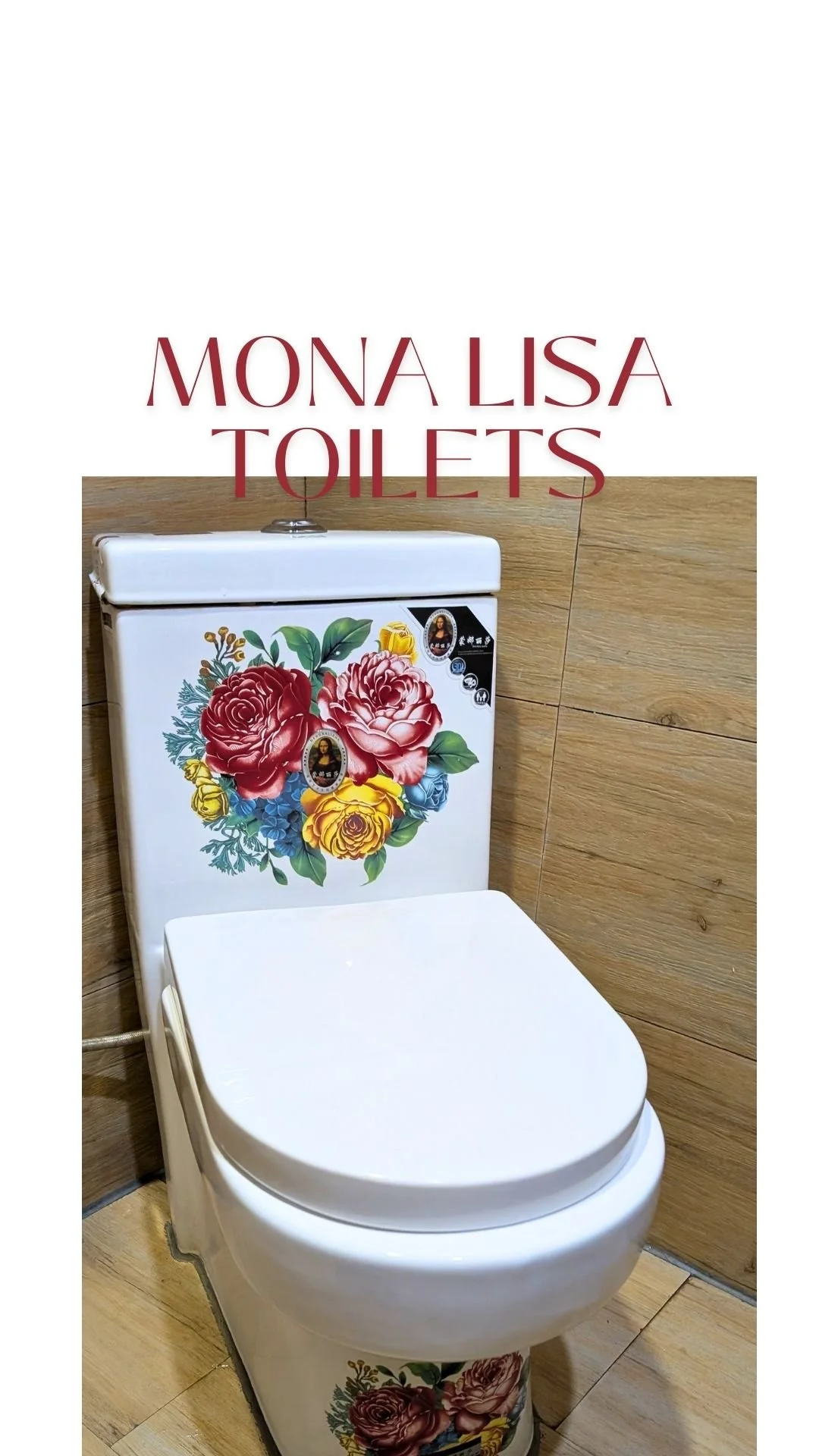
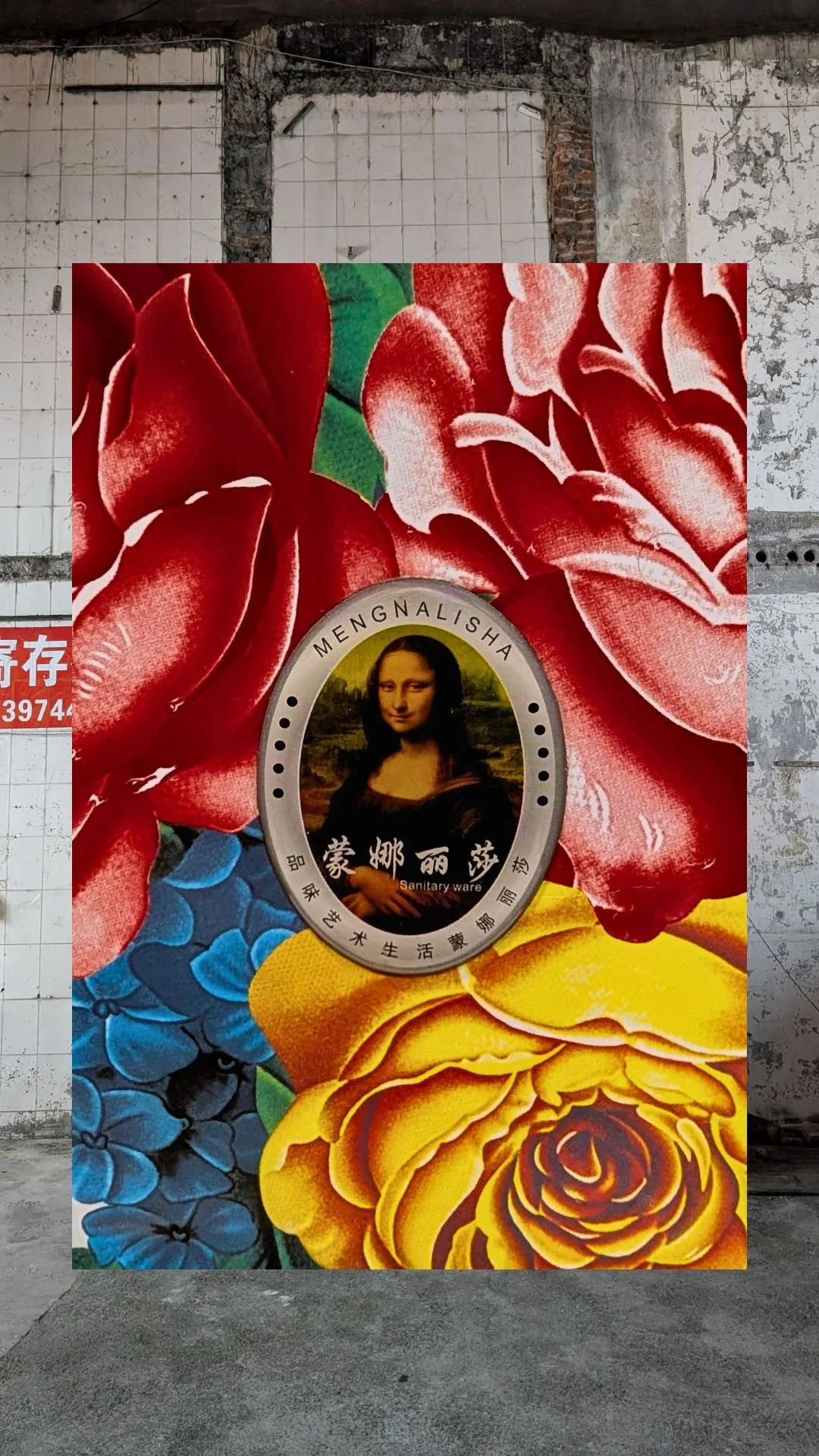
Some interesting Mona Lisa-and-flowers motif on toilets in Zhangjiajie. Few things have amused me as much since.
Meng-na-li-sha.